
Updated October 13, 2026. Hours, fees, what to do, Junior Ranger, kite rules and Paseo del Morro from nps.gov/saju (fees, plan-your-visit, things to do, FAQs, superintendent's compendium, kids pages). 2026 fee-free days: U.S. citizens and residents only (NPS fee page + DOI/NPS 2026 fee-free announcements).
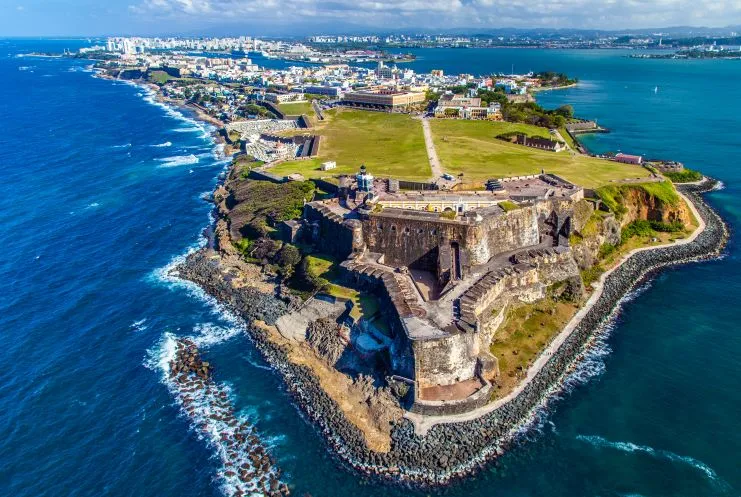
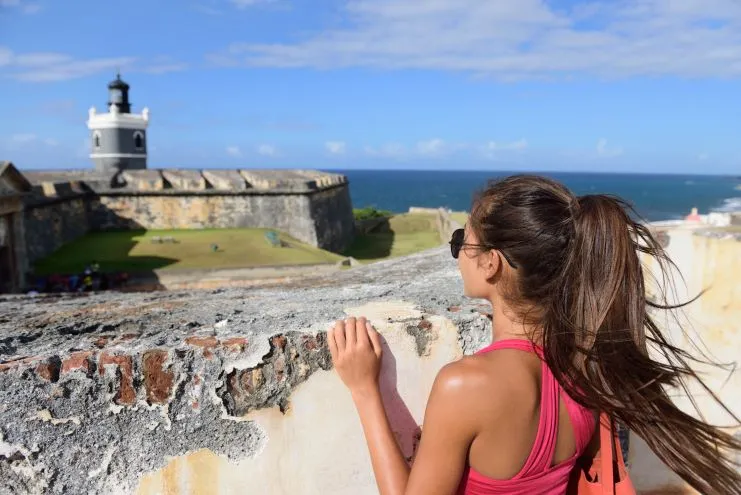
Castillo San Felipe del Morro — everyone calls it El Morro — is the six-level Spanish fortress that guards the entrance to San Juan Bay. It is part of San Juan National Historic Site, a National Park Service unit that also includes Castillo San Cristóbal, long stretches of the colonial walls, the gate known as Puerta de San Juan, and Fortín San Juan de la Cruz on the opposite side of the channel.
If you visit Old San Juan once, this is the fort most people photograph from the cruise lane and from the green esplanade out front.
What you are looking at
NPS describes El Morro as the product of Spanish engineers working for more than 250 years. Work began around 1539. NPS says the six-level fort reached a form it calls complete in 1787. It is one of the largest Spanish fortifications in the Caribbean. In World War II, U.S. forces installed a station to control artillery fire on the site. In 1898, U.S. Navy ships fired on the fort during the Spanish-American War and destroyed the lighthouse (later restored).
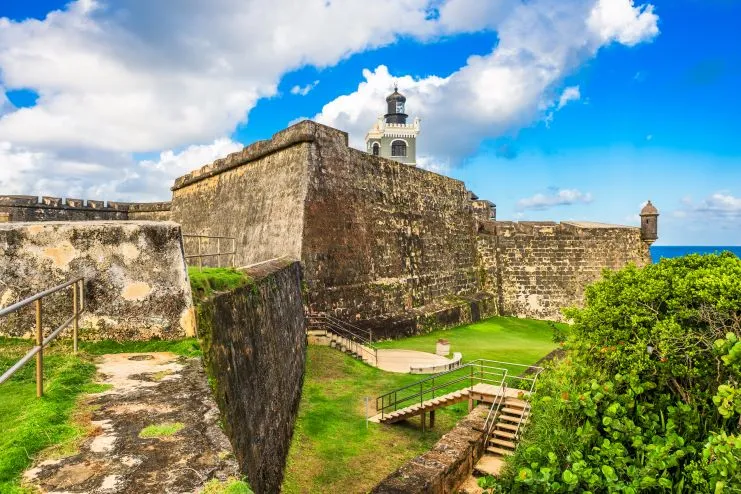
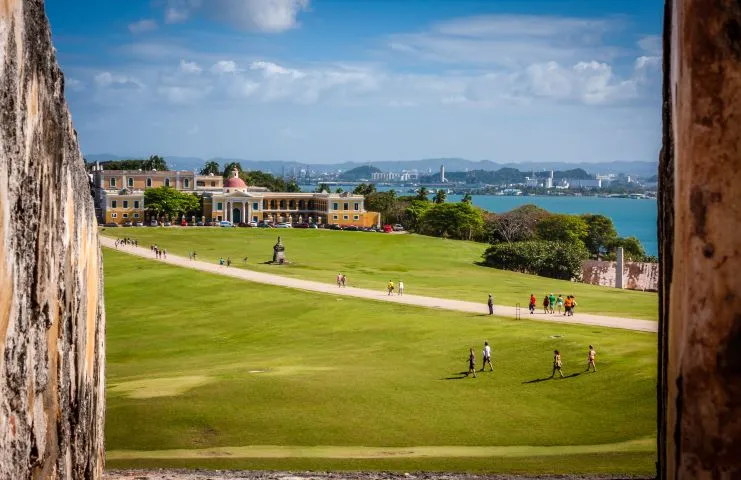
From the upper works you can look over walls NPS invites visitors to "gaze over" at about 60 feet toward the ocean, walk casemates and the chapel, and see cannons that still face the harbor. The grassy esplanade in front is where soldiers once drilled — and where families fly kites in the trade winds today.
San Juan National Historic Site is also a UNESCO World Heritage fortification landscape (park materials present it as a World Heritage Site). The park's job is to preserve the forts for this generation and the next.
Hours and tickets (2026)
| Item | Detail |
|---|---|
| Fort interiors (El Morro + San Cristóbal) | 9:00 a.m. – 5:00 p.m. daily |
| Closed | Thanksgiving Day, Christmas Day, New Year's Day |
| Standard entrance | $10 per person 16+; receipt valid 24 hours for both fortifications |
| Ages 15 and under | Free |
| Payment | Cashless — cards / contactless; the park does not accept cash |
| Fee-free days in 2026 | Entrance fee waived for U.S. citizens and residents on listed NPS dates; international visitors still pay the regular fee |
America the Beautiful passes are accepted per NPS rules. Active-duty military, veterans and other discounted pass categories are listed on the park fees page — bring photo ID.
Buy at the gate or follow current NPS online-pass instructions before you go. The same $10 pass covers El Morro and San Cristóbal within 24 hours, so many visitors do one fort each half-day.
What to do inside and around El Morro
NPS invites you to:
- Join a ranger program when talks are scheduled.
- Explore the fort — tunnels, sentry boxes (garitas), exhibitions, cannons and the park film.
- Become a Junior Ranger — ask for the park's Junior Ranger activity booklet, finish the activities and earn the badge (great with kids; see also things to do with kids).
- Picnic and fly a kite on the esplanade (see kite rules below).
- Walk Paseo del Morro — the waterside trail along the walls, open sunrise to sunset per the superintendent's compendium; bikes and e-bikes are not allowed on that trail.
- Birdwatch on the nature trail areas behind El Morro and stargaze from the high, darker esplanade after dusk (grounds rules still apply).
Kite rules (enforced): fly only on the grassy El Morro esplanade; single-line kites only (dual-line / stunt kites prohibited); keep the kite under control; do not fly over or into the fort structures; reel in when done — do not release kites into the ocean or park grounds.
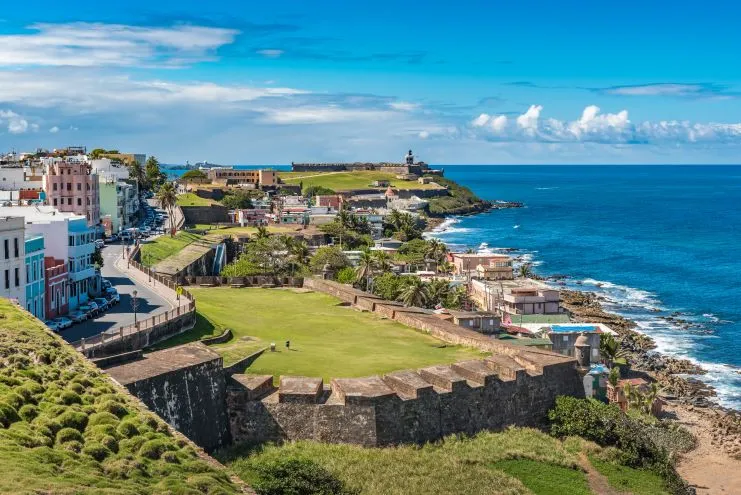
The open glacis / grounds in front of El Morro stay available 24 hours for passive recreation; the fortification interiors still close at 5:00 p.m.
How long to allow
Plan two to three hours for El Morro if you read exhibits and walk several levels; add time for Paseo del Morro or a second fort the same day. Stairs, ramps and uneven historic surfaces are part of the visit — wear closed shoes and bring water. Restrooms are near the main entrance plaza; NPS notes a water fountain inside El Morro's plaza area.
People with limited mobility can still enjoy level areas near the entrance, courtyard spaces, the theater/film and bookstore — ask rangers which routes are open the day you visit.
Getting there
NPS lists the park mail address on Norzagaray Street in Old San Juan (street number 501, ZIP 00901). Main phone: (787) 729-6777.
Vehicles are not allowed on the historic grounds (removed in 1992). NPS says to allow an extra 5–10 minutes to walk from the underground parking at the end of Norzagaray Street (Fifth Centennial Plaza) or to use the municipal tram that stops along Old San Juan streets. From Isla Verde or Condado, a taxi or rideshare to Old San Juan plus that final walk is the usual pattern.
Why it matters
For centuries European powers fought over Puerto Rico's position on the routes to the Americas. El Morro's job was to deny the harbor mouth to enemy fleets. It saw English attacks in 1595 and 1598, a Dutch attack in 1625, and later U.S. bombardment in 1898. Standing on the walls today is less about memorizing every siege and more about seeing how a Caribbean capital defended its bay — then walking back into a living city of cafés and blue cobblestones.
FAQ
Do you need tickets for El Morro?
Yes for the fort interior if you are 16 or older (or use a qualifying pass). Ages 15 and under enter free. Grounds outside have different access rules; the paid entrance is for the fortifications.
How much does El Morro cost?
$10 per adult for a pass valid 24 hours at both El Morro and San Cristóbal. Confirm on nps.gov/saju before you go — fees can change.
Is El Morro free on holidays?
Only on NPS fee-free entrance days, and in 2026 those days are for U.S. citizens and residents. The fort is closed on Thanksgiving, Christmas and New Year's Day.
Should you visit El Morro?
Yes if you have a half-day in Old San Juan. Pair it with San Cristóbal, a walk on Paseo del Morro or other free things to do along the walls.
Originally published on PuertoRico.com (2022-12-07); last updated 2026-10-18.