Quick answer
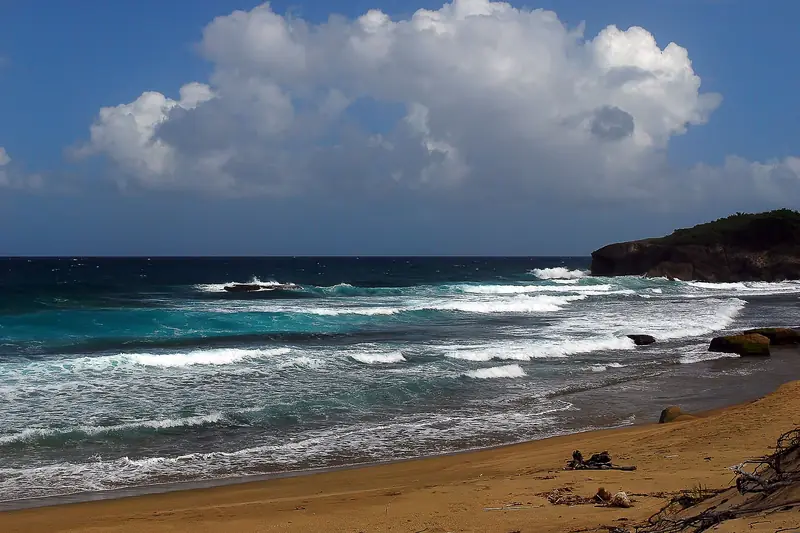
Isabela, on Puerto Rico's northwest corner about two hours from San Juan, is the island's laid-back surf-and-beach town.
- Best beach day: Jobos (surf and beach bars) or Montones (a calmer rock-sheltered pool).
- Snorkeling: Shacks, only on flat days.
- History: the 1904–06 Guajataca railway tunnel and the 1730 ruins of the La Tuna hermitage.
- Nature: horseback rides through the coastal forest and the trails of Guajataca State Forest.
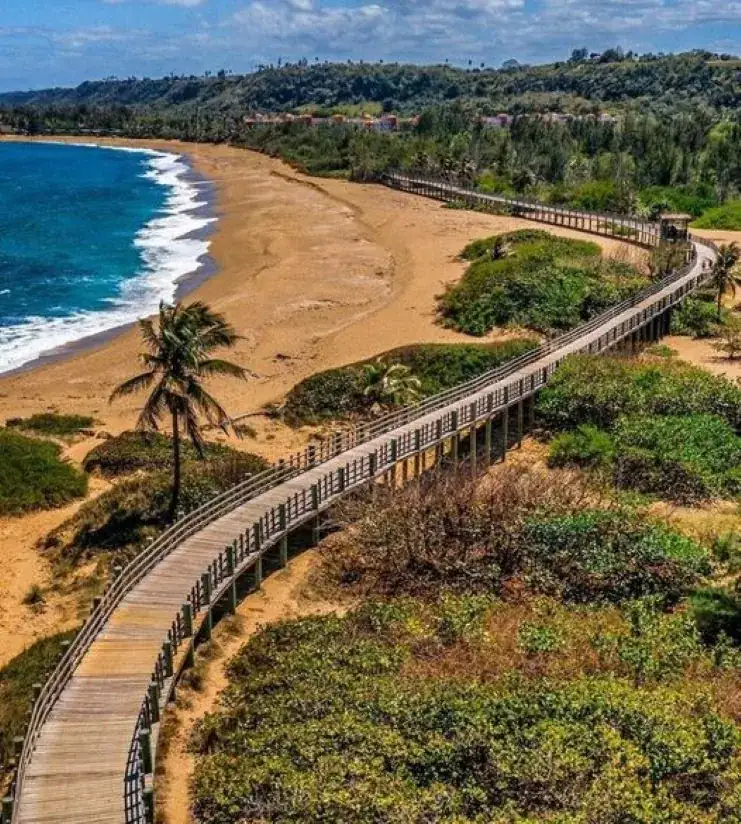
- Heads-up: part of the coastal boardwalk (the Middles/Golondrinas section) is damaged by erosion. Use the Villa Pesquera–Jobos end.
Beaches and the coast
1. Jobos Beach
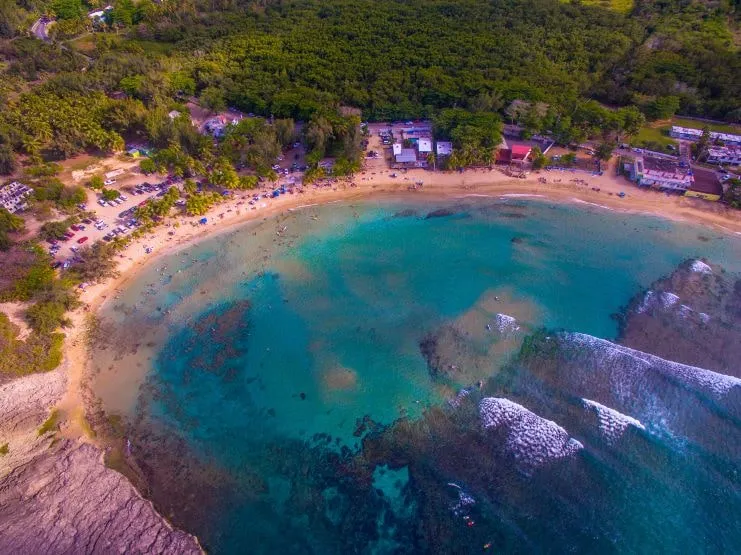
This is Isabela's best-known beach: a curve of sand with a reef at the east end that makes a consistent surf break. There are beach bars and food stands across the road. Swimmers should stay near the sheltered west end and watch the flags and the currents.
2. Pozo de Jacinto
This is a blowhole in the rocks at the east end of Jobos. Locals say a farmer named Jacinto lost his cow in it, and people shout "¡Jacinto, dame la vaca!" when the sea sprays up. There's no railing and the rock is slick, so stay well back.
3. Playa Montones
A rock shelf forms a natural pool here, with calmer, shallower water than Jobos. It's the easiest swim in Isabela for families on a normal day. There are no lifeguards, and it gets rough in storms.
4. Playa Shacks: snorkeling and the Blue Hole
Shallow reef, swim-throughs and deep "blue hole" pools draw snorkelers and divers. Only go when the surf is flat, enter from the sandy spot, and skip the caves unless you're with a guide. The currents are strong and there are no lifeguards.
5. Playa Pastillo
This is a long walking beach with rock formations at the west end. It has strong currents, so come for the walk and the views rather than a swim.
6. Middles Beach
This powerful reef break is for experienced surfers. Beginners should take a lesson at Jobos instead (see #12).
7. Paseo Lineal Costero (the coastal boardwalk)
This walking and biking path runs along the shore. The Villa Pesquera–Jobos–Pozo de Jacinto stretch is the one to use. The Middles/Golondrinas section is badly damaged by erosion, and the municipality says its redesign is waiting on FEMA approval. Watch for loose planks.
History and landmarks
8. Guajataca Tunnel (Túnel de Guajataca)
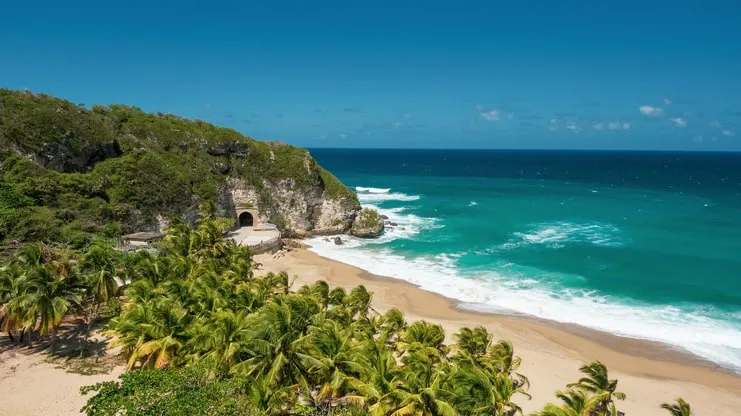
The American Railroad Company dug this short tunnel around 1904–1906 to carry the island railway across the Guajataca River canyon. Trains used the line until it closed in 1957, and the tunnel was declared a historic monument in 2000. Today you can walk through to the beach on the far side. On weekends a small ride-on train, kiosks and craft stands open from about 9 a.m.
9. Ruins of the San Antonio de Padua de La Tuna hermitage
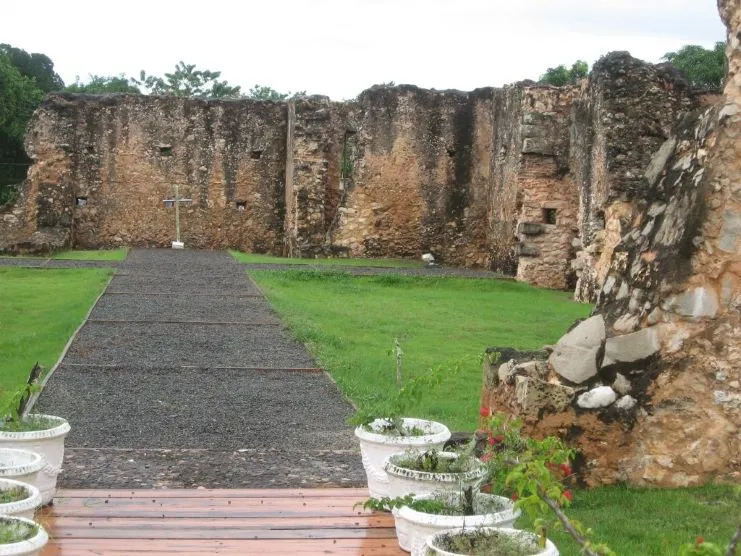
These stone-and-mortar ruins of the first church of La Tuna, the settlement that became Isabela, date to about 1730. The town moved to its current site in 1819. The ruins are on the US National Register of Historic Places (1983).
10. Cara del Indio
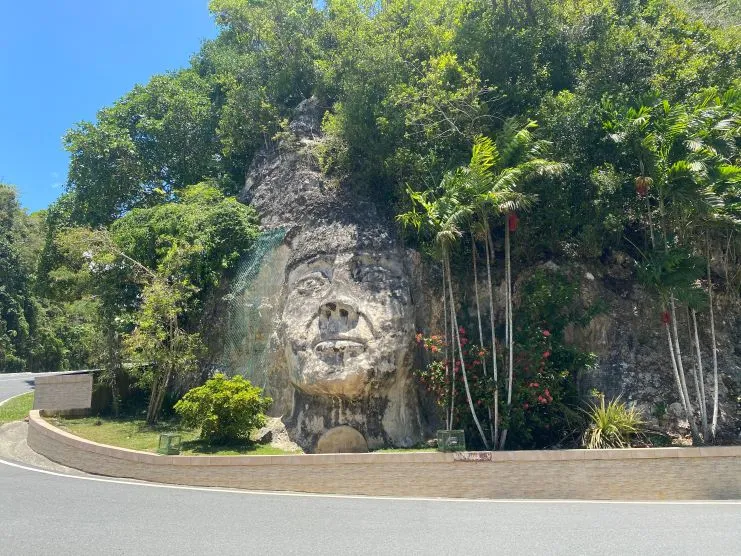
This is a monument to the Taíno cacique Mabodamaca, carved into the rock by the road at the edge of town. Full story: Cara del Indio.
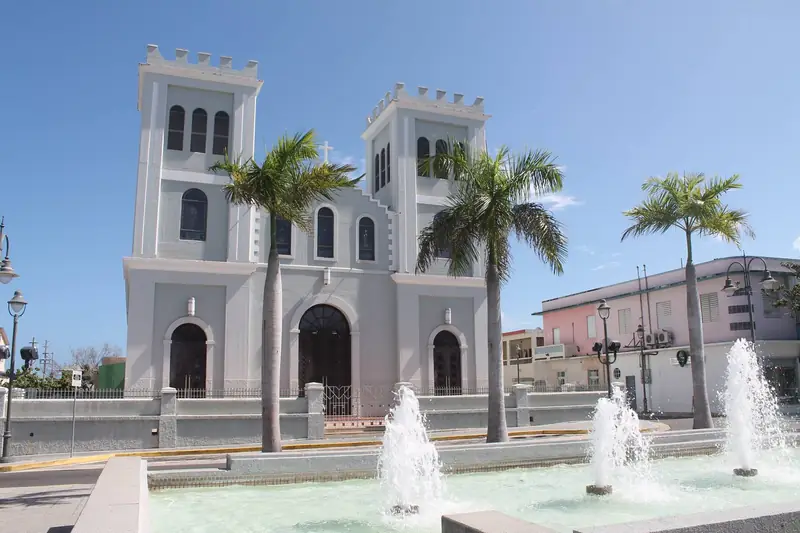
11. Downtown Isabela and the plaza
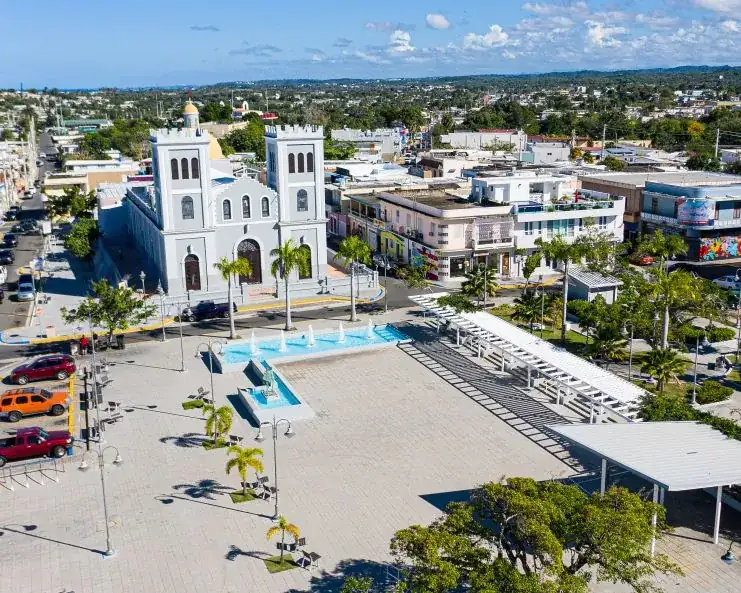
Isabela's traditional symbols are the quesitos de hoja (fresh cheese) and colorful fish, which you'll spot around town. The plaza is the place for coffee and an evening walk.
Outdoors and activities
12. Take a surf lesson
Jobos is where most beginners learn. Look up surf schools in our Isabela tours directory.
13. Ride horses through the coastal forest
Tropical Trail Rides runs guided rides of about two hours through almond groves and along secluded beaches, including the Shacks area. Departures are at 9 a.m. and 3:30 p.m., and the rider weight limit is 240 lb. Kids 6 and over ride their own horse. Book several days ahead.
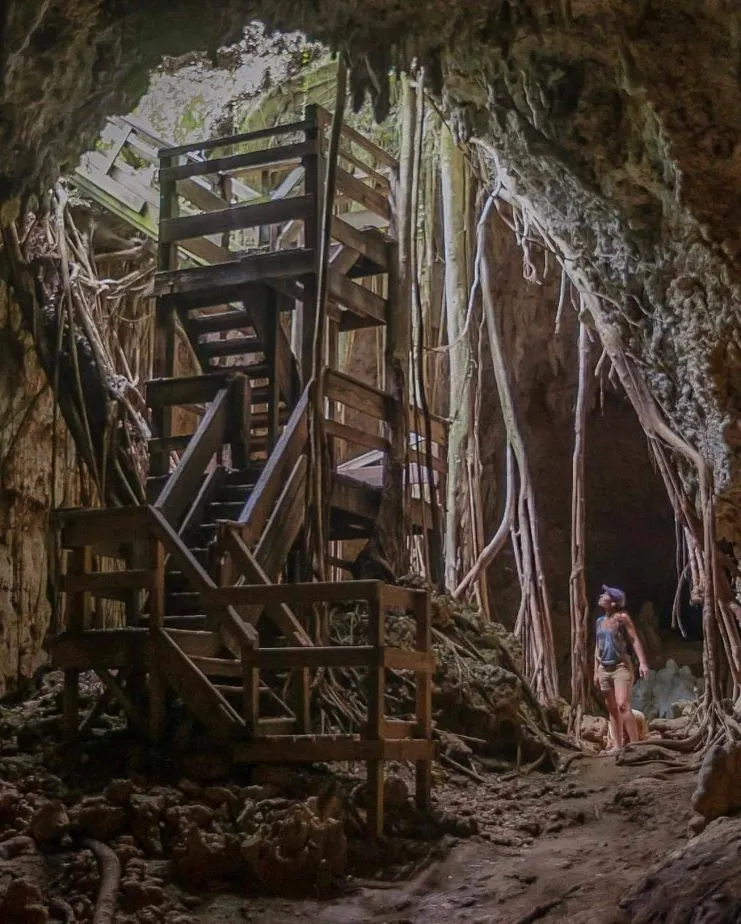
14. Hike Guajataca State Forest
The DRNA forest straddles Isabela, Quebradillas and San Sebastián. It has about 44 km of trails, observation towers and karst sinkholes. It's open Tuesday–Sunday and holidays, 8 a.m.–4 p.m. The Cueva del Viento trail has had closures for repairs, so ask at the ranger office before heading in.
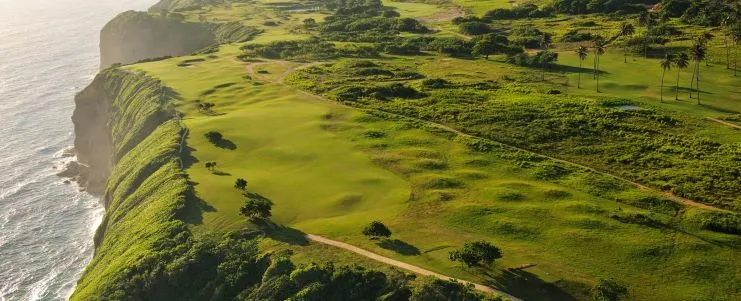
15. Play Royal Isabela
Royal Isabela's cliff-top links course takes public tee times. See our Puerto Rico golf guide.
Food and day trips
16. Eat seafood at Villa Pesquera
The fishermen's area at the west end of the coast road has fried fish, empanadillas and cold drinks. Find more options in our Isabela restaurant directory.
17. Day trip: Crash Boat Beach (Aguadilla)
This calm-water beach, famous for its pier, is a short drive west. See Crash Boat Beach.
18. Bioluminescent bay
Isabela doesn't have a bio bay. The closest is La Parguera in Lajas, about 1½ hours south by car. See La Parguera bio bay tours and all of Puerto Rico's bio bays.
Where to stay in Isabela
Browse places to stay in Isabela. Royal Isabela and Villa Montaña are the area's resorts (see best resorts).
FAQ
How far is Isabela from San Juan?
It's about two hours west by car via PR-22 and PR-2.
What is Isabela, Puerto Rico known for?
Surf beaches like Jobos and Middles, the Guajataca railway tunnel and a relaxed small-town feel.
Is Jobos Beach good for swimming?
At the sheltered west end on calm days, yes. The reef side is for surfers. Montones is calmer.
Can you walk through the Guajataca Tunnel?
Yes. It's a historic monument open to visitors, and there are extra activities on weekends.
Is the Isabela boardwalk open?
The Villa Pesquera–Jobos part is usable. The Middles/Golondrinas section is damaged and waiting on repairs.
Does Isabela have a bioluminescent bay?
No. The nearest is La Parguera in Lajas, about 1½ hours away.
Originally published on PuertoRico.com (2022-11-14); last updated 2026-10-18.