
Updated October 13, 2026. Refuge hours, road rules and closed areas from the US Fish & Wildlife Service (Vieques National Wildlife Refuge page and visitor brochure). Mosquito Bay rules from Para la Naturaleza. Ferry facts from Puerto Rico Ferry and our Vieques transport guide. Hospital status from La Fortaleza and Metro Puerto Rico (September 26, 2026). Theft and crime context from police reports carried by Telemundo Puerto Rico (2022) and El Vocero (2024). Horse hazard from Primera Hora (2017) and Presencia. Rip-current basics from the National Weather Service and NOAA.
Short answer: yes. Vieques is a calm, small-island trip for most visitors. The trouble travelers are most likely to meet is petty theft: a phone, a camera or a bag taken from an empty beach blanket or from inside a rental jeep. Lock that down, drive carefully after dark and respect the closed parts of the wildlife refuge, and you have covered the main risks.
First trip? Our guide to Vieques, Puerto Rico covers where the island is, how to get there and its best beaches.
Theft: the risk to plan around
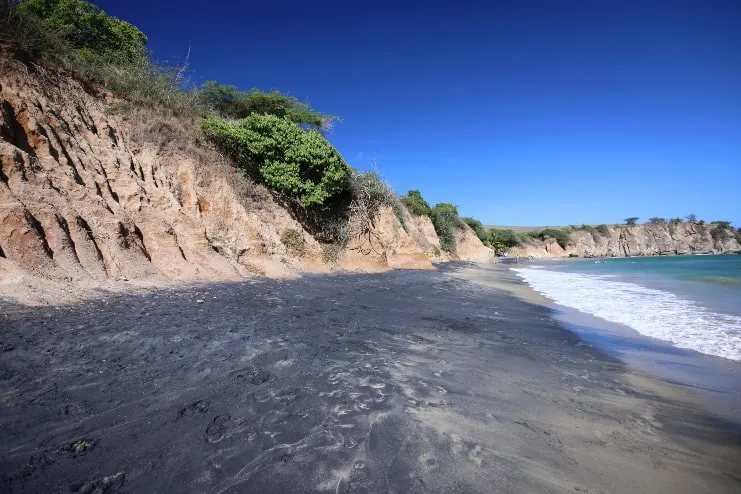
Here is a real example. In October 2022, Telemundo Puerto Rico reported that a visitor from Florida found her rented Jeep emptied at the Playa Negra area of Esperanza on a Saturday afternoon. Four laptops, a passport, medicine, luggage and the car key were gone, a loss she put at about $8,844. Fajardo-area police investigators took the case.
The Fish & Wildlife Service's refuge brochure calls Vieques "a beautiful and safe island" and gives visitors the same advice we do: leave valuables at your hotel, keep belongings out of the car and park where the vehicle can be seen. What to do about it:
- Leave nothing in the vehicle. Treat a parked jeep as an open box, even with the doors shut. Passports and laptops stay in your room's safe.
- Bring a small beach kit. Carry only what you will use: a towel, water, a phone in a waterproof pouch and a card or a little cash.
- Take turns in the water on quiet beaches, so someone is always with the bags.
- Keep jewelry and expensive watches at home, or at least off the beach.
What about violent crime?
We won't pretend Vieques has none. In September 2024 El Vocero reported four killings on the island so far that year. Police said all four cases had links or prior records involving weapons, drug or other offenses. The Fajardo-area commander also said the number was down from past years (he cited 21 in 2013). The mayor said security cameras were going up in town, along Route 200 and in Esperanza. The report did not describe any case involving a visitor. We don't have a reliable crime rate for the island, so we won't invent one. What a visitor can control is the same everywhere: stay out of disputes, don't buy drugs, and leave a bar when the mood changes.
Is Vieques safe at night?
Evenings are fine with basic care. Whether your night is in Esperanza, on the south coast, or out on a bio-bay tour, a few habits help:
- Walk in pairs or groups, and stick to lit stretches of road.
- Line up your ride home before you go out. Públicos (shared vans) and taxis meet the ferry and the airport, but a late pickup is easier to set up ahead of time.
- Don't leave bags on the sand while you go for a night swim. Better yet, skip the night swim.
- Drive slowly after dark (see horses, below).
Getting around safely
Getting there. The passenger ferry sails from Ceiba, on Puerto Rico's east coast, not from San Juan or Fajardo. The crossing takes about an hour. You can also fly from San Juan or Ceiba. Rental cars can't make the crossing, because the ferry only carries vehicles that belong to island residents, so you rent a jeep or car on Vieques. Schedules, fares and booking rules are in our guide to how to get to Vieques.
Horses on the road. Free-roaming horses are a real driving hazard on Vieques. In 2017 Primera Hora reported an estimated 1,500 to 2,000 horses on the island and two crashes with horses in a single night. A local veterinarian told Presencia that police called him at least twice a week about horses injured on the roads. Watch the shoulders, keep your speed down at night, and never assume a dark road is clear.
Inside the wildlife refuge. The west and east ends of the island belong to the Vieques National Wildlife Refuge, created on former US Navy land in 2001 and 2003. There's no entrance fee. Open areas are for visits from 6 a.m. until dark. Stay on designated roads and trails. Driving on the beach or off-road isn't allowed, and neither are camping, drones, open fires or driving under the influence. A large part of the eastern refuge is closed because of unexploded ordnance and the cleanup. The US Fish & Wildlife Service says closed areas must not be entered by land or by sea. If a road is gated or signed closed, turn around.
Walking. The ferry town, Isabel Segunda, is on the north coast, and Esperanza is on the south. The refuge beaches are out on the west and east ends. Walking works inside each town. To get between them or out to the beaches, use a car, a público or a taxi.
Mosquito Bay (the bio bay)
Mosquito Bay holds the Guinness World Records title for the brightest bioluminescent bay on the planet. It is a protected reserve, and you can only go with a licensed operator. Para la Naturaleza notes that swimming is off-limits, and so are jet skis and motorboats. Book with a licensed outfit (see Mosquito Bay tours or the Vieques tours directory), wear water shoes, and keep your phone in a pouch or leave it with the guide's gear. Compare all three bays in our bio bays guide.
Beaches and water safety
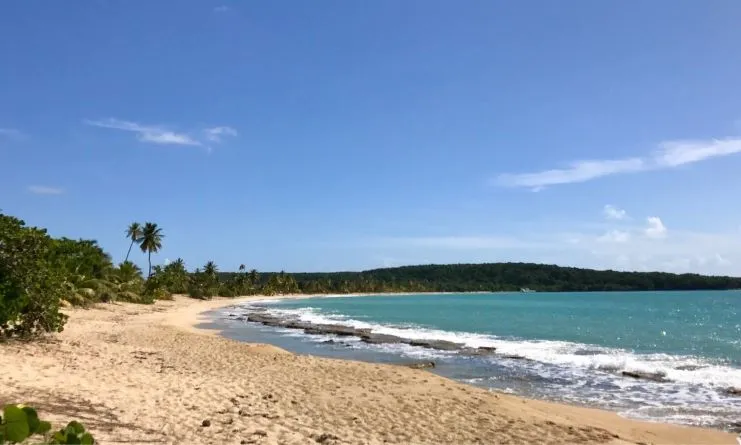
The refuge's open beaches include Playa Grande, Punta Arenas (Green Beach) and the Kiani Lagoon area on the west, plus Playa Caracas (Red Beach) and Playa La Chiva (Blue Beach) on the east. The Fish & Wildlife Service tells visitors to carry drinking water, so pack water and shade. The National Weather Service warns that rip currents often show up on calm, sunny days. If one pulls you out, NOAA's advice is not to fight it: swim parallel to the beach, then angle back toward land. More beach ideas: Vieques beaches, Esperanza Beach and Playa Negra.
Medical care and emergencies
- Call 911 for police, fire or an ambulance. The island has its own police district and fire station.
- Hospital. Vieques' new health center, Hospital Susana Centeno, opened on September 26, 2026. It replaces the only facility on the island, which closed after Hurricane María in 2017. The government lists an emergency room, outpatient clinics, dialysis, infusion, behavioral health and diagnostic services. Its heliport got FAA accreditation in April 2026.
- Pack any prescription medicine you need from home.
Solo travelers and families
If you travel alone, tell your host where you're heading each day. Pick beaches with other people on them if you plan to swim, and be back on paved roads before dark. Families will find the same rules cover it: no valuables in the car, kids within reach in the water, and the refuge's closed areas off-limits. If anyone in your group has mobility needs, ask your lodging about step-free rooms and which beaches you can reach close to the car before you book. Compare lodging in the Vieques places to stay directory.
FAQ
Is Vieques safer than San Juan?
They're different trips. Vieques is quieter, and the usual visitor issue is theft from cars and beaches. For the city, see Is San Juan safe for tourists? and our island-wide guide, Is Puerto Rico safe?
Can I visit the beaches on the old Navy land?
Yes, the open parts of the refuge, from 6 a.m. until dark. Large areas on the east end stay closed because of unexploded ordnance. Do not enter them by land or by boat.
Are there snakes on Vieques?
Yes. The Fish & Wildlife Service's refuge web page counts eleven snake species, including the endangered Puerto Rican boa; its older printed brochure was more cautious and confirmed only a worm snake. If you spot a snake, leave it alone.
Do I need a car?
For beach-hopping, yes. Rent a jeep or car on the island, since rentals can't come over on the ferry. Públicos and taxis cover the towns, the ferry and the airport.
Can I swim in the bio bay?
No. Mosquito Bay is visited only with licensed operators, and swimming isn't allowed.
Plan the rest of your trip: our Vieques, Puerto Rico travel guide, things to do on the island, where to stay in Vieques and Vieques vs. Culebra.
Originally published on PuertoRico.com (2022-11-06); last updated 2026-10-13.