
Updated October 15, 2026. Island facts come from Wikipedia’s Culebra article (citing the 2020 Census) and U.S. Fish & Wildlife Service refuge information. Ferry rules are from Puerto Rico Ferry. Flamenco fees and hours come from Todo Culebra’s locally maintained guide and earlier Primera Hora reporting on the Culebra Conservation and Development Authority (ACDEC), lifeguard notes from Puerto Rico Beach Finder listings, rip-current advice from NOAA and hurricane-season dates from the National Hurricane Center. We don’t cite crime statistics here. The advice below is practical, not a ranking.
Short answer: yes, Culebra is a low-key, generally safe island for visitors. The real risks are the ocean (only Flamenco is listed with lifeguard service), sun and dehydration, getting stuck after the last ferry, and small-scale theft from unattended bags and vehicles. Plan for those and Culebra is an easy trip for families, couples and solo travelers. Start with our Culebra guide and how to get to Culebra.
What is Culebra?
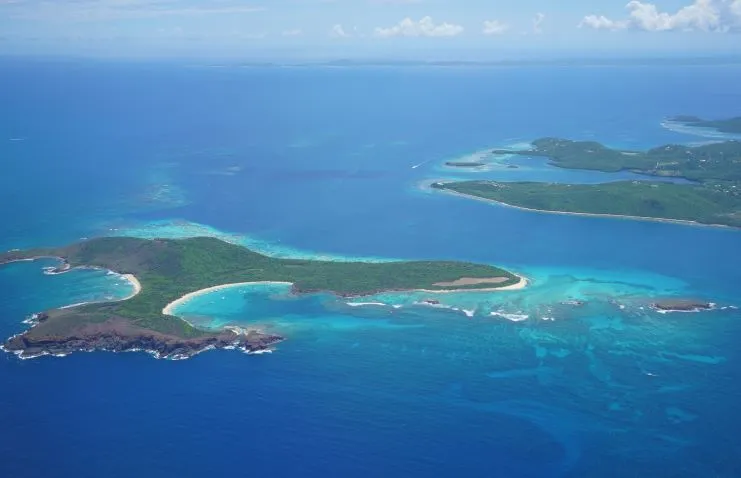
Culebra is a small island municipality about 17 miles northeast of Puerto Rico’s main island and 9 miles northeast of Vieques, made up of the main island, Culebrita and a scatter of cays. With 1,792 residents in the 2020 Census, it is the least populated municipality in Puerto Rico. Most of the action is around the town of Dewey, where the ferry docks, and at Flamenco Beach. The Culebra National Wildlife Refuge, established in 1909, covers about 1,510 acres, including 21 offshore cays.
Getting there safely: the ferry
Public ferries leave from Ceiba on the main island (not Fajardo), and the crossing takes about 90 minutes. Puerto Rico Ferry asks passengers to be at the terminal one hour before departure, closes check-in 10 minutes before sailing and requires photo ID. Book your return before you go, and treat the last boat of the day as a hard deadline. Miss it on a day trip and you may be scrambling for a room.
Is Culebra safe for tourists? Theft and common sense
Culebra is quiet and rural, but treat it like any beach town. Don’t leave phones, cash, keys or passports unattended on the sand, and don’t leave valuables visible in an open golf cart or jeep. Take one bag you can carry into the water with you, or take turns watching your things. Lock your rental when you park at remote beaches. If something does happen, call 911.
Beach and water safety (lifeguards)
Flamenco is the island’s managed public beach, with restrooms and showers, food kiosks at the entrance and lifeguard towers. Beach Finder lists lifeguard service there but advises confirming it when you arrive, so don’t assume a tower is staffed every day. The other popular beaches, including Zoni, Tamarindo and Carlos Rosario (a trail walk from Flamenco), are listed with no lifeguard. Swim with a buddy and stay inside your ability. Wear water shoes over rocky entries and never stand on coral. If a rip current pulls you out, don’t fight it: swim parallel to the shore until you are free, then angle back in, or float and wave for help. Protect yourself from the sun and carry more water than you think you need, because shade is scarce at many beaches.
Is Culebra safe at night?
Nights are quiet and very dark away from Dewey, which is great for stars but means unlit roads and few people around. Plan your ride back before sunset (Flamenco’s parking runs from 7:30 a.m. to sunset), carry a flashlight and drive slowly on the hilly roads. Don’t swim at night, especially at beaches with no lifeguard. If you camp at Flamenco, reserve ahead with the campground office and keep valuables locked up.
Is Culebra safe for solo travelers?
Yes. A small island with a walkable town and organized tours is an easy solo trip. Tell someone your beach plans, especially for trail beaches like Carlos Rosario, and don’t snorkel alone in open water. Group snorkel trips and water taxis to Culebrita are a good way to meet people and get to places that are hard to reach by land. Browse Culebra tours and excursions or Culebra tours in the directory.
Is Culebra safe to walk around?
Dewey is easy on foot. Flamenco is about 2.5 hilly miles from town, which makes for a hot walk, so most visitors take an e-bike, a golf cart, a taxi or the shuttle. Remote beaches need wheels. Walk facing traffic, wear a hat and bring water. The roads are hilly, so pace yourself in the heat.
Military history: the Flamenco tanks
The U.S. Navy used the Culebra archipelago for gunnery and bombing practice from 1939 until 1975, and the Flamenco Peninsula was part of that training area. The graffiti-covered Sherman tanks on the beach are left over from that era and are safe to photograph. The practical rule: stay on marked paths, and if you ever see an unusual metal object in the sand or water, don’t touch it. Note the spot and report it to 911.
Medical care and storms
Culebra has a small hospital, Hospital de Culebra, with a pharmacy. Serious emergencies are flown to Fajardo on the main island, so bring any prescription medicine you need. The Atlantic hurricane season runs June 1 to November 30, peaking around September. If you travel then, check the National Hurricane Center forecasts and your ferry booking before you leave, and consider travel insurance.
Is Culebra disability-friendly?
Partly. Distances are short, but many beaches have sandy or rocky access. Flamenco, the most developed beach, has parking near the entrance plus restrooms and showers. Call ACDEC or your lodging ahead to ask about the current beach access path, and ask the ferry operator about boarding help.
FAQ
Is Culebra safe for female travelers? Generally, yes. Use the same precautions you would anywhere: plan rides after dark, watch your drink and don’t share your lodging details with strangers.
Is Culebra safe for LGBTQ+ travelers? Culebra is a relaxed small island, and the same common-sense precautions apply as for any visitor. For island-wide context, see our Puerto Rico safety guide.
Does Culebra have lifeguards? Flamenco has lifeguard towers, but you should confirm one is on duty. Zoni, Tamarindo and Carlos Rosario are listed with none.
Is it safe to swim at Flamenco? It is the island’s main managed beach. Check the conditions first and swim near a staffed tower if there is one.
More planning: Culebra beaches, Culebra snorkeling, where to stay in Culebra Thinking about both islands? Compare Vieques vs. Culebra.
Originally published on PuertoRico.com (2022-10-30); last updated 2026-10-15.