
Updated October 16, 2026. Costa Rica advisory, entry rules, water, roads and beaches: U.S. Department of State (Level 2, April 2, 2026). Active volcanoes: Costa Rica Tourism Board (ICT) press kit and CNE (five active). Climate seasons: Visit Costa Rica. Puerto Rico passport and domestic travel: USAGov. Drinking water: EPA Safe Drinking Water Act covers Puerto Rico; State Dept says Costa Rica tap water is often not safe.
Costa Rica and Puerto Rico are both popular tropical getaways — so which fits your trip?
One destination leans into wildlife, volcanoes and long Pacific and Caribbean coasts. The other mixes Caribbean beaches with Spanish colonial towns, a U.S. territory setup, and nights out in San Juan.
Use this side-by-side to decide: safety, beaches, family travel, activities, cost, getting there and getting around.
– Costa Rica vs Puerto Rico safety — which is safer?
– Costa Rica vs Puerto Rico beaches — which has better beaches?
– Which is better for families with kids?
– Which has more fun and unique activities?
– Which is cheaper to vacation to?
– Which is easier to get to from the United States?
– Which is easier to get around?
– Other frequently asked questions
Costa Rica vs Puerto Rico safety — which is safer?
For U.S. travelers, the paperwork and support systems are different. Puerto Rico is a U.S. territory, so a mainland trip is domestic: no passport for U.S. citizens, U.S. dollar, and familiar emergency dialing (911). See our Puerto Rico safety guide for current local context.
Costa Rica is a separate country. As of April 2, 2026, the U.S. Department of State rates it Level 2 — Exercise increased caution because of crime. Petty theft is common; violent crime that can affect tourists includes armed robbery. Enroll in STEP, keep valuables out of sight, and avoid walking alone on poorly lit beaches or streets.

Language helps in a pinch. Spanish is the everyday language in both places. In Puerto Rico, bilingual help is easier to find in many tourist and urban areas; see what language is spoken in Puerto Rico. In Costa Rica, English is common in major tourist zones, but State Dept guidance still assumes you may need Spanish outside those pockets.


Phones: in Puerto Rico, most U.S. mainland plans work without an international add-on. In Costa Rica you typically need roaming, an eSIM or a local SIM — confirm with your carrier before you fly.

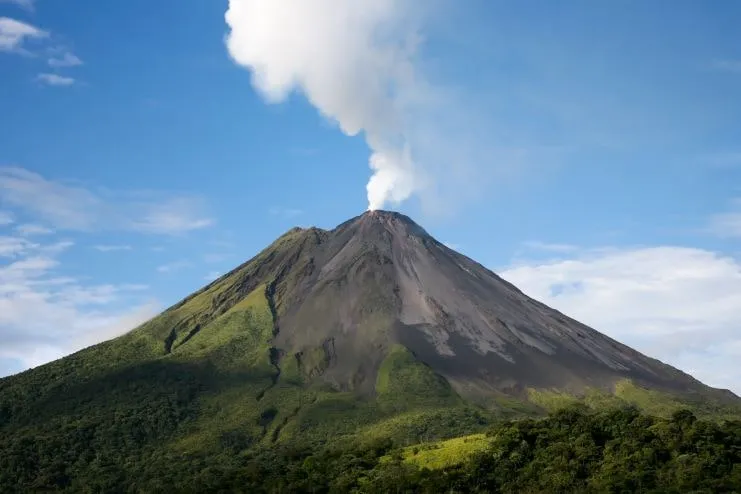
Natural hazards differ. The State Department notes Costa Rica sits in an active earthquake and volcanic zone. The Costa Rica Tourism Board (ICT) describes more than 112 volcanoes, five classified as active (including well-known parks around Arenal, Poás, Irazú, Turrialba and Rincón de la Vieja). Puerto Rico has no active volcano tourism circuit; its main seasonal weather risk is the Atlantic hurricane season.
Rain patterns are regional, not a single island number. On Costa Rica’s Pacific side, Visit Costa Rica describes a dry season roughly December–March and a rainy season roughly May–October (with a mid-year veranillo dip). The Caribbean side stays wetter year-round. Puerto Rico’s wetter months are also summer–fall, with big local variation from coast to mountains — check a forecast for the towns on your itinerary.
Drinking water: Puerto Rico’s public systems fall under the U.S. Safe Drinking Water Act (EPA primacy with the Puerto Rico Health Department). In tourist areas on the main utility network, tap water is generally treated to those standards — still use judgment after major storms or in remote non-utility systems. For Costa Rica, the State Department warns that tap water is frequently unsafe and recommends bottled water; ice may be made from tap water unless you ask.
Costa Rica vs Puerto Rico beaches — which has better beaches?
If you want Caribbean sand close to towns, showers and food, Puerto Rico’s beaches are the easier everyday pick.

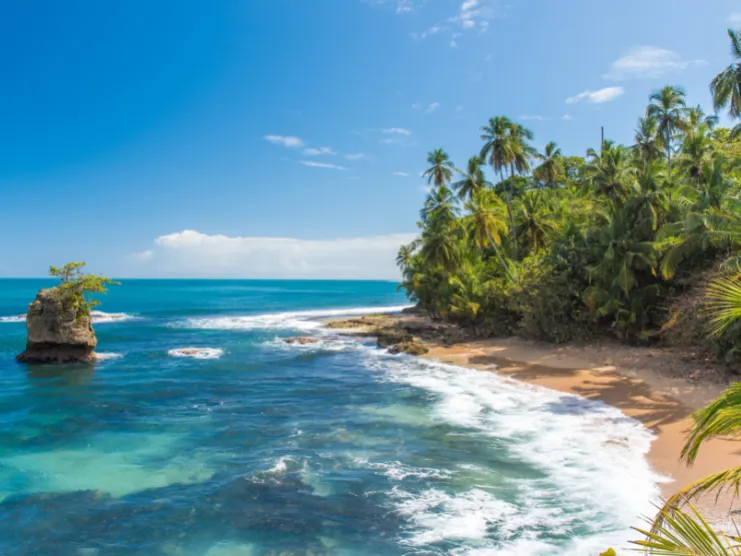
Many Puerto Rico beach days sit near cities and towns: lifeguards and facilities at some balnearios, beachfront hotels, and restaurants within a short walk or drive. Quieter cays and east-coast boat days (for example day trips toward the Cordillera cays off Fajardo) still exist, but you are rarely hours from a paved road.
Costa Rica’s coasts feel wilder and more spread out. The State Department warns that rip currents are deadly and that most beaches lack lifeguards; swim only where conditions look safe and follow local flags. Pacific and Caribbean stretches can take a long drive — sometimes on rough roads — to reach.
Which is better for families with kids?
For younger kids, Puerto Rico is usually simpler logistics: domestic flights for U.S. families, no passport errands, U.S. dollar pricing, and more beach days with nearby services. Family resorts, water parks, museums such as Museo de Arte de Puerto Rico, and short drives between stops keep the day manageable.

Costa Rica shines for older kids who want wildlife, national parks and adventure days — with more planning around road time, heat and park rules. Beaches there are often less commercial, so pack shade, water and a sober look at surf conditions.
U.S. citizen families also skip passport and customs steps for Puerto Rico that Costa Rica still requires.
Check out the video below of a family traveling to Puerto Rico:
Which has more fun and unique activities?
Pick the vibe you want: Costa Rica for rainforest and volcano immersion, Puerto Rico for a mix of nature and city culture in a smaller footprint.

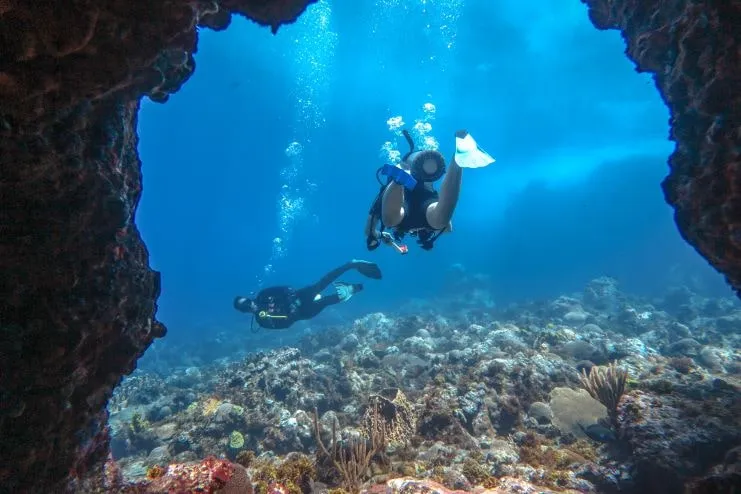
Costa Rica is built around outdoor adventure: hiking, wildlife, parks around active volcanoes, and long coast-to-coast itineraries. Puerto Rico covers outdoor days too — ziplining, rainforest hiking in El Yunque, caving, snorkeling — and then folds in urban nights in San Juan.
After a day on the trail or reef, you can walk Old San Juan, museums and historic forts the same evening. For a full menu of ideas, see things to do in Puerto Rico.
Which is cheaper to vacation to?
It depends which line items dominate your budget.
From the mainland United States, Puerto Rico is often cheaper to reach: it is a domestic flight for U.S. citizens, with no passport purchase and no international entry fees. Food and lodging can still add up in San Juan and beach towns.

Costa Rica may stretch a mid-range food and lodging budget further outside peak eco-lodges, but you add passport costs, possible roaming, and longer ground transfers. Your dollar is the local currency in Puerto Rico (what currency Puerto Rico uses); in Costa Rica you will convert to colones or pay card fees.
For a Puerto Rico numbers breakdown, see how much a Puerto Rico vacation costs.
Which is easier to get to from the United States?
Puerto Rico wins on paperwork and airport flow for U.S. citizens.
Flight time still depends on your U.S. city. The larger difference is that Puerto Rico is domestic: U.S. citizens do not need a passport, and you clear a domestic arrival rather than foreign customs. USAGov lists Puerto Rico among the U.S. territories where citizens can fly from the mainland without a passport.

Phones and U.S. currency work the same way they do on the mainland. Costa Rica needs a valid passport for the stay, a return or onward ticket, and usually a SIM or roaming plan.
Which is easier to get around?
Puerto Rico is the smaller map and the more familiar road network for most U.S. drivers.
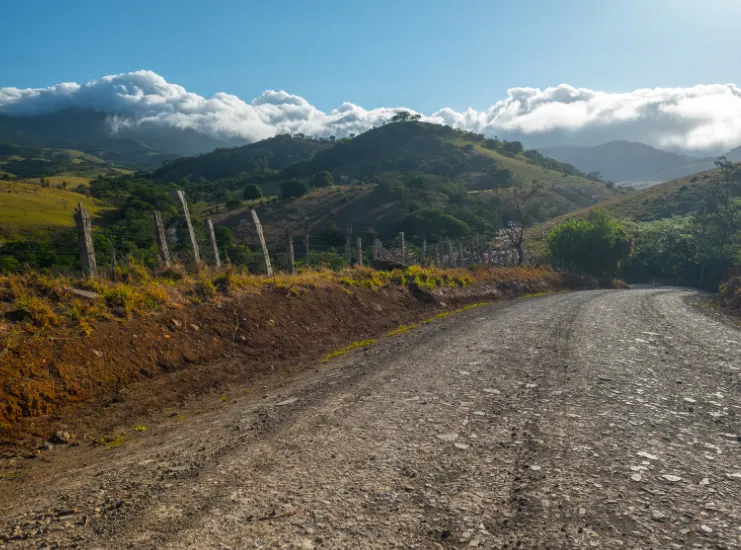
A rental car helps in both places. In Costa Rica, the State Department notes that roads to beaches and rural areas may be unpaved, that some places need four-wheel drive, and that night driving outside cities is best avoided. Rental insurance rules are stricter than many U.S. travelers expect — read the contract line by line.
In Puerto Rico, airport and city rental desks are common, highways are denser, and a coast-to-coast day is realistic if you keep stops limited. Uber and taxis are easiest in metro San Juan and thinner in the mountains and far west.
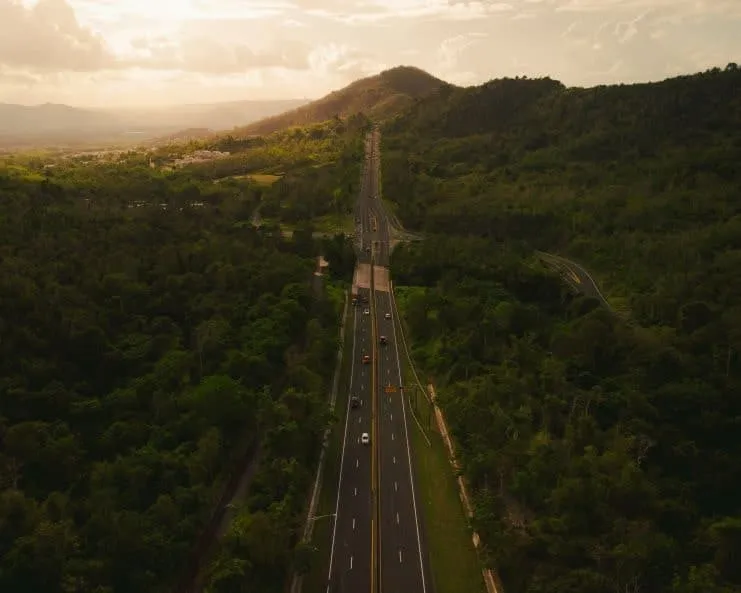

Costa Rica’s parks and beaches sit farther apart; build buffer days into any itinerary that zigzags Pacific to Caribbean.
FAQ section
Is it cheaper to vacation in Costa Rica or Puerto Rico?
Costa Rica can be cheaper on food and lodging once you are there, but Puerto Rico is often cheaper to reach from the mainland United States (domestic flight, no passport for U.S. citizens, U.S. dollar). Compare your flight city and travel style before deciding.
What are the differences between Puerto Rico and Costa Rica?
Puerto Rico is a U.S. territory with Caribbean beaches, colonial Old San Juan and U.S. dollar pricing. Costa Rica is a Central American country known for wildlife, national parks and five active volcanoes, with a Level 2 U.S. travel advisory for crime as of April 2026.
Is Puerto Rico or Costa Rica better for surfing?
Both have real surf coasts. Puerto Rico concentrates well-known spots on a smaller island (easier to sample in one trip). Costa Rica spreads Pacific and Caribbean breaks across a larger country — plan more road time between them.
Which is better for backpacking?
Costa Rica is the classic multi-week backpacker circuit (parks, hostels, long buses). Puerto Rico is a friendlier first Caribbean backpack: rainforest days with hostels and amenities still within a shorter drive.
Final thoughts
Choose Costa Rica when wildlife, volcanoes and a longer nature itinerary matter most. Choose Puerto Rico when you want Caribbean beaches plus colonial towns on a U.S.-territory trip that is easier to arrange from the mainland.
Puerto Rico also has world-famous bioluminescent bays — a night experience Costa Rica does not match the same way.
When you plan the Puerto Rico side, start with beaches in Puerto Rico and what to pack for Puerto Rico.
Originally published on PuertoRico.com (2022-10-09); last updated 2026-10-16.