
Updated October 13, 2026. Crime counts come from the Puerto Rico Police Type I report for January–September 2026, published through the Puerto Rico Institute of Statistics. Incident examples come from police reports carried by Telemundo Puerto Rico, Primera Hora and Metro Puerto Rico (2025), and from Rincón Water Safety's incident reports (2025–2026). Beach seasons come from Discover Puerto Rico and the DRNA management plan for the Tres Palmas Marine Reserve. Clinic hours come from Costa Salud, and rip-current advice from the National Weather Service and NOAA.
Short answer: yes, with one big caveat. Rincón has little crime in raw numbers, and most of it is theft. What is more likely to hurt a visitor here is the ocean: heavy winter surf, waves that dump straight onto the sand, shallow reef and rip currents, on a coast with no formal lifeguard system. Plan your beach days around the conditions, keep valuables out of the car, and you have covered the main risks.
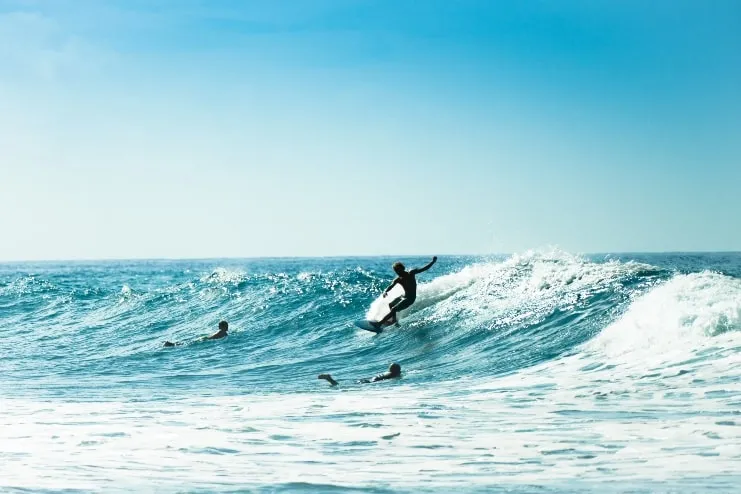
What the police numbers show
From January through September 2026, the Puerto Rico Police recorded 39 serious ("Type I") crimes in the municipality of Rincón. There were no murders and no robberies. The largest group was 20 cases of apropiación ilegal, the police term for theft without force or a break-in. There were also 9 burglaries, 8 aggravated assaults, 1 rape and 1 stolen vehicle. We won't turn that into a crime rate, but the pattern is clear: if something goes wrong on your trip, it is most likely to be theft.
Serious cases do happen. Around 5:30 a.m. on a Sunday in June 2025, two armed men on motorcycles took a rental car from a visitor from Florida in the parking lot of the Econo supermarket in town, according to police reports carried by Telemundo Puerto Rico and Primera Hora. He was not hurt, and the car was later found abandoned in Barceloneta.
- Leave nothing in the car, not even in the trunk. Passports, laptops and spare cash stay in your room's safe.
- Pack light for the beach: a towel, water, a phone in a waterproof pouch and one card. Take turns going in the water so the bag is never alone.
- Stay alert in empty lots, especially very early or late. If anyone demands your car or your phone, hand it over. Then call 911 and your rental company.
- Rincón has its own municipal police, who work alongside the Puerto Rico Police. In any emergency, dial 911.
The ocean is the bigger risk
Rincón Water Safety, a local nonprofit, says it plainly: there is no formal lifeguard system covering Puerto Rico's open-water beaches. The group trains residents and surfers, puts up public rescue stations and defibrillators, and warns that an ambulance can take longer to reach a coastal town like Rincón than it would in San Juan. These recent cases show why that matters:
- March 2025: a 61-year-old visitor from California drowned at Sandy Beach, in the Puntas area. Other beachgoers saw him calling for help and brought him to shore, and he was pronounced dead at the Costa Salud clinic in town (Telemundo Puerto Rico, Metro).
- October 2025: a 72-year-old surfer who lived on the island died at Tres Palmas. Rincón Water Safety said his own board hit him and he lost consciousness before anyone could reach him (Metro).
- December 2025: surfers and residents pulled people out of trouble around Domes, Deadman's and María's, and helped a paddleboarder struggling in strong wind near Parcelas (Rincón Water Safety).
- February 2026: a person fell in the shorebreak at Sandy Beach and broke a bone in the neck. An ambulance took them to Mayagüez, and they were later moved to San Juan (Rincón Water Safety).
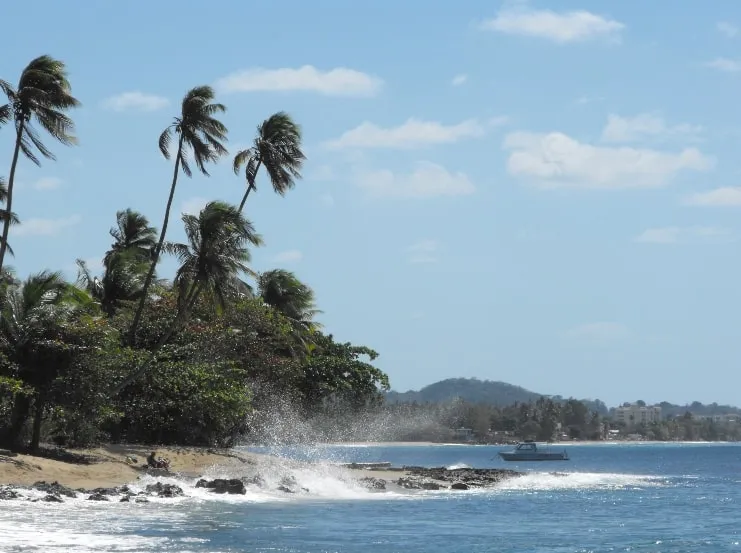
How to stay safe in the water
- Know the season. Winter is big-wave season. Discover Puerto Rico says waves at Tres Palmas can reach about 20 feet in winter, and the surf crowd at Domes and María's peaks in those months. In summer the same beaches are often calm.
- Respect the shorebreak. When waves break in shallow water, go in and come out between sets, keep your hands in front of you, and never dive headfirst.
- Don't swim alone, and choose a spot where other people are around.
- Know what a rip current does. The National Weather Service warns that rips often form on calm, sunny days. If one pulls you out, don't try to swim against it. Swim sideways, along the beach, until you're free of the pull, then angle back toward land, as NOAA advises.
- Leave the famous breaks to surfers who know them. If you want to learn, book a lesson with a local school rather than paddling out alone. You can browse operators in the Rincón tours directory.
- Treat the reef gently. Steps Beach sits inside the Tres Palmas Marine Reserve, protected by law since 2004. According to the DRNA's management plan, its shallow reef is mostly elkhorn coral, a threatened species, and sea urchins live among it. Fishing is not allowed in the reserve. Wear water shoes, don't stand on coral, and snorkel only on calm days. Discover Puerto Rico advises against snorkeling there in winter.
Calmer beaches for a swim
For an easy swim, Discover Puerto Rico points families to Balneario de Rincón (the town beach) and Playa Córcega, both known for calmer water. Calm is the usual pattern, not a promise. Look at the water first, and skip it if waves are breaking hard or the water is pulling along the shore. Sandy Beach is popular and easy to reach, but two of the incidents above happened there, so take its shorebreak seriously. More detail on each beach is in our guides to Rincón's beaches, Steps Beach and María's Beach.
Getting around and nights out
- A car makes life easier. Discover Puerto Rico notes that the town's beaches, restaurants and sights sit far apart, and that public transport is limited. See our tips on renting a car in Puerto Rico.
- Rideshare is possible but patchy. Lyft named Rincón in its July 2025 islandwide launch, but waits grow outside the metro area, and a ride back late at night is not guaranteed. Details are in Does Puerto Rico have Uber and Lyft?
- After dark, walk lit streets with company, line up your ride home before you go out, and don't drive after drinking.
- The weekly Thursday-evening Art Walk fills the town square with crafts, food trucks and music, according to Discover Puerto Rico. Treat the crowd like any festival crowd: phone in a front pocket, bag zipped.
If you get hurt or sick
- Call 911 for any emergency.
- Costa Salud runs an emergency room in town at Calle Muñoz Rivera #28. It is open Monday to Friday from 7 a.m. to 11 p.m., and weekends from 8 a.m. to 4 p.m. Outside those hours, Costa Salud tells people to go to the nearest emergency room or call 911.
- Serious injuries can mean a transfer to Mayagüez or San Juan, as happened after the February 2026 neck injury.
- Bring any prescription medicine you need from home.
Solo travelers, families and mobility needs
Traveling alone? Tell your host where you're going each day, meet new people in public places, keep an eye on your drink, and never swim or surf alone. Families should keep small children within arm's reach in the water, even on a calm day. If someone in your group uses a wheelchair or walker, ask your host before you book which beaches have parking close to the sand and step-free access. We could not confirm current accessible-beach equipment in Rincón, so we don't list any. Compare lodging in the Rincón places to stay directory.
FAQ
Is Rincón safe at night?
Generally, yes, with normal care: stick to lit streets, go out with company and plan your ride back. Don't leave anything in a parked car overnight.
Are there lifeguards at Rincón's beaches?
Don't count on it. Rincón Water Safety notes that the island has no formal lifeguard system for open-water beaches, which is why the group trains locals and installs rescue equipment.
When are the waves biggest?
In winter. That is when the surf events and the crowds of surfers arrive. Summer is usually the calmer season for swimming and snorkeling.
Is the water safe for kids?
On calm days, at calmer beaches such as the town balneario or Córcega, and with an adult right beside them. Skip the water when waves are breaking hard.
Do I need a car?
It is the easiest way to get around. Rideshare exists, but waits can be long and late-night rides back are not guaranteed.
Plan the rest of your trip with our Rincón guide, things to do in Rincón, where to stay in Rincón, surfing in Puerto Rico and our island-wide guide, Is Puerto Rico safe?
Originally published on PuertoRico.com (2022-11-13); last updated 2026-10-13.