
Updated October 14, 2026. Historic-monument status and railroad context come from Puerto Rico Law 340-2000 (Sept. 2, 2000). Beach and access notes are general northwest-coast safety guidance; do not treat Guajataca Beach as a swim beach.
What it is
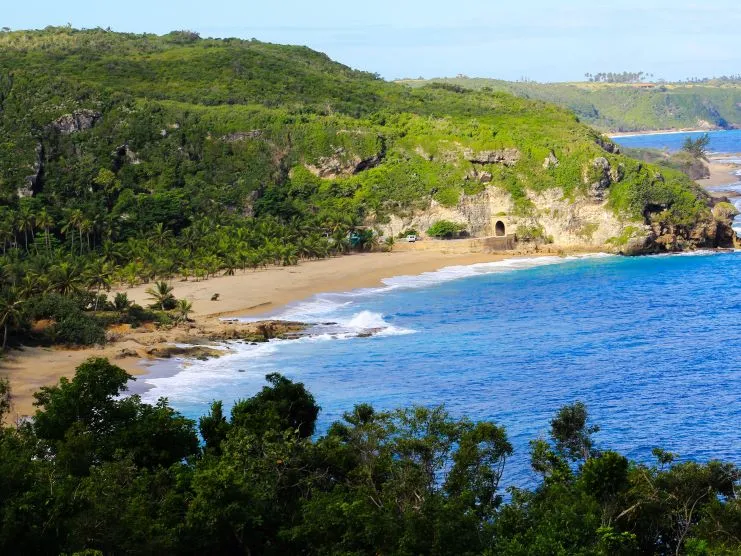
The Guajataca Tunnel is a former railroad tunnel on Puerto Rico's northwest coast, where the municipalities of Quebradillas and Isabela meet. You walk through the dark passage and step out to cliffs and Atlantic water. There is no ticket booth; the site is treated as a free public stop.
Law 340-2000, signed September 2, 2000, declared the Guajataca Tunnel in the Municipality of Isabela a historic monument. The law directs the Institute of Puerto Rican Culture, working with the municipality, to develop a management plan for enjoyment and preservation.
Railroad history (from the 2000 law)
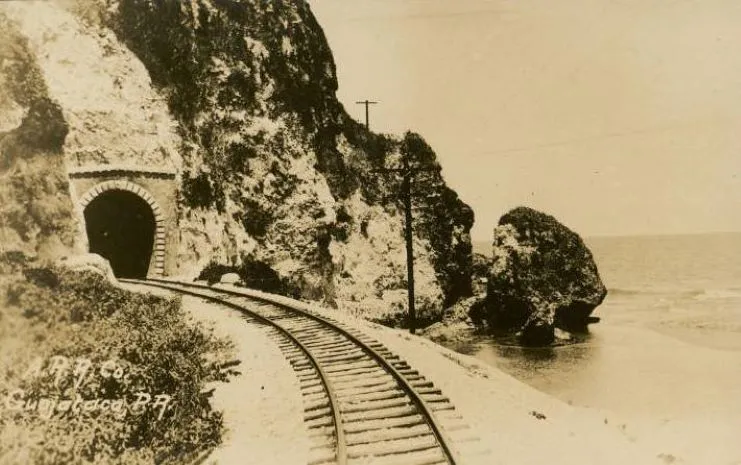
Puerto Rico's rail story, as the law's statement of motives recounts it, began around 1870 with cane growers moving sugar by rail. By 1898 several tram lines already ran on the island. A French Compañía Ferrocarrilera de Puerto Rico built early segments, including stretches between Canóvanas and Quebradillas and between Isabela and Mayagüez. The American Railroad Company later took over and completed the San Juan–Ponce trunk and secondary lines.
The law calls the Isabela–Quebradillas link across the Guajataca River canyon the company's most significant work: two tunnels, one on each side of the canyon, joined by a steel viaduct about 250 meters long and about 40 meters above the river. Writing in 2000, the legislature dated that work to roughly 93 years earlier—so the early 1900s. (Some visitor guides round the tunnel itself to 1904; the statute does not pin a single calendar year.)
Local lore about a wreck and haunted voices circulates in visitor tellings. We do not treat those stories as documented fact here. Come for the engineering, the coastal views and the walk—not for guaranteed ghost stories.
How to visit
- Where: Guajataca Beach / Túnel Guajataca, on the coast at the Quebradillas–Isabela line. Approach from PR-2 / coastal roads; follow local signs for the tunnel and beach parking.
- Cost: walking the tunnel is free. Parking at the lot by the beach is commonly free; confirm on arrival.
- Time needed: 30–60 minutes for the tunnel, photos and a short walk along the shore path.
- Footwear: closed shoes help—the tunnel floor can be uneven and damp.
Beach caution
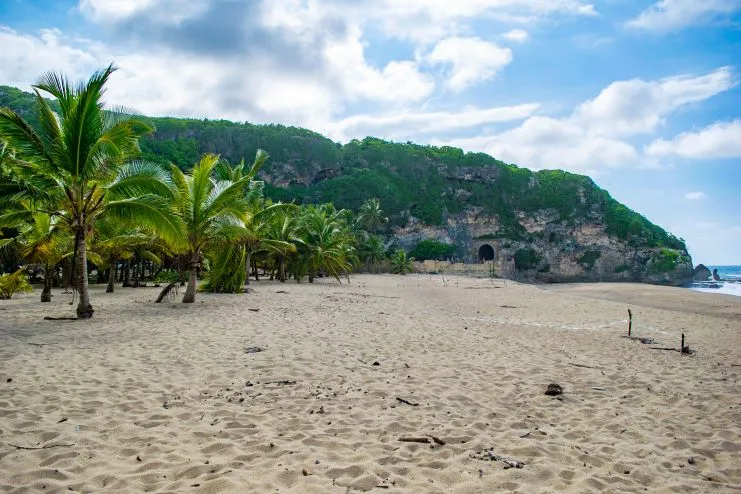
Guajataca Beach faces the open Atlantic on Puerto Rico's northwest shore. Expect strong surf, shorebreak and rip currents, especially in winter when north swells arrive. Admiring the water from the sand or the cliffs is the safe plan. If you want a swim beach nearby, look at calmer options in our Isabela beaches guide and check the latest National Weather Service San Juan marine and surf discussions before you go.
Nearby
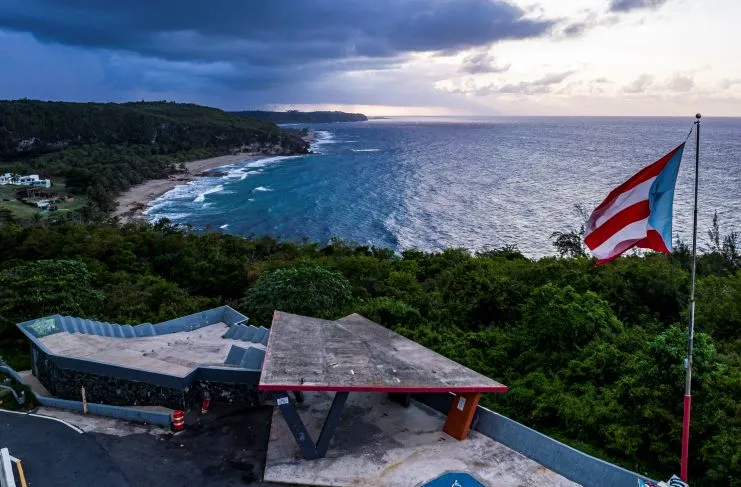
- Mirador de Guajataca — a lookout above the coast with a wider view of the tunnel and shoreline.
- La Cara del Indio — a large carved face on a roadside cliff in Isabela.
- Isabela and Aguadilla — bases for more northwest-coast stops. Browse Isabela coast tours if you want a guided outing.
FAQ
Is the tunnel free? Yes. There is no admission booth for the walk-through.
Which town is it in? The historic-monument law places the monument in the Municipality of Isabela; the coast here is the shared Quebradillas–Isabela edge.
Can you swim at Guajataca Beach? We do not recommend it. Treat it as a view and photo stop, not a swimming beach.
Originally published on PuertoRico.com (2022-12-17); last updated 2026-10-14.