
The short version
- NotiCel reported that people 50+ represent 44% of the population but generate nearly 47% of GDP and $60 billion in economic activity
- According to the study, households headed by this group spent $50 billion in 2024, accounting for 67% of all household consumption in Puerto Rico
- Primera Hora reports the segment supports 557,000 jobs and makes up 29% of the labor force with 388,000 workers
- The study states 70% of health services jobs and 64% of leisure and hospitality jobs are linked to their economic activity
Key Findings from AARP Study
A new study presented by AARP Puerto Rico concludes that residents aged 50 and older are the main driver of the island's economy. The group of approximately 1.3 million people represents 44% of the population and generated about $60 billion in economic activity in 2024, equivalent to nearly 47% of Puerto Rico's GDP, NotiCel reported. The report, titled “De Reto Demográfico al Desarrollo de la Economía de la Longevidad,” calls for shifting the public conversation to view longevity as a competitive advantage for innovation, employment and sustainable growth.
In 2024, households headed by people 50 and older accounted for approximately $50 billion in consumer spending, or 67% of all household expenditures on the island, both outlets reported. The study indicates this influence extends across sectors including housing, technology, tourism, entertainment, communications and financial services, challenging the notion that spending by older adults is limited to medical services. Primera Hora reported that the segment also represents 29% of the workforce with 388,000 participants.
Also on PuertoRico.com: Cost of living in Puerto Rico
What the sources posted
Posts and statements below are the sources' own words, quoted as published. They are not independently verified.
Puerto Rico tiene ante sí una oportunidad histórica. La longevidad no puede continuar analizándose únicamente como un reto demográfico, fiscal o de salud.
Our translation: Puerto Rico has a historic opportunity before it. Longevity cannot continue to be analyzed solely as a demographic, fiscal or health challenge.
The source's own statement, as quoted by NotiCel. Not verified by PuertoRico.com.
Employment and Sector Impact
The economic activities of this population support 557,000 jobs, according to the study cited by NotiCel. Roughly 70% of jobs in health services, 64% in leisure and hospitality, and about half in professional and business services are linked directly or indirectly to their activity. The report states that lives worked are lengthening and that the experience, knowledge and stability of older workers form an essential part of Puerto Rico's human capital.
AARP Puerto Rico State Director José R. Acarón said the data show this group already plays a leading role in the economy through work, entrepreneurship, consumption, investment and family care. He added that policies and business strategies must place this demographic reality at the center to build a more innovative, competitive and sustainable Puerto Rico. The study warns that the greatest risk is not population aging itself but developing economic policies that ignore this demographic reality, both sources noted.
Where the sources differ
NotiCel and Primera Hora largely agree on all core figures: 1.3 million people, 44% of population, $60 billion in activity, 47% of GDP, $50 billion in consumption (67% of household spending), 388,000 workers (29% of labor force), and 557,000 supported jobs. Both quote José R. Acarón (NotiCel omits the middle initial) and use nearly identical language on shifting from demographic challenge to longevity advantage. NotiCel's version is longer and includes an explicit warning sentence about policy risks that Primera Hora also carries. Sector employment percentages (70% health, 64% hospitality) are identical in both.
What the reports do not say
The reports do not provide the exact total GDP figure implied by the 47% share, the year or source of the underlying population and employment data, or any breakdown of the $60 billion between direct, indirect and induced effects. They also omit specific policy recommendations, projected future trends beyond general statements, or reactions from government officials or business leaders outside AARP.
Sources
Every link below was opened and checked when this story was published. Official means a government body, agency or the organization itself; Reporting means a news outlet.
- Official Estudio revela que la población 50+ es el principal motor económico y de consumo en Puerto Rico
- Reporting Estudio revela que la población 50+ es el principal motor económico y de consumo en Puerto Rico
- Reporting Población 50+ es el principal motor económico y de consumo en Puerto Rico
How we checked this
Both NotiCel and Primera Hora based their coverage on the same AARP Puerto Rico study released on or just before Oct. 28, 2026. All quantitative claims and the quoted remarks from José R. Acarón rest on that single document; no independent verification or additional data sources are cited.
Compiled by the PuertoRico.com News Desk from the reports and statements listed above, and checked against them before publishing. It does not include original interviews. Spot an error? Email support@puertorico.com with a link to this story.
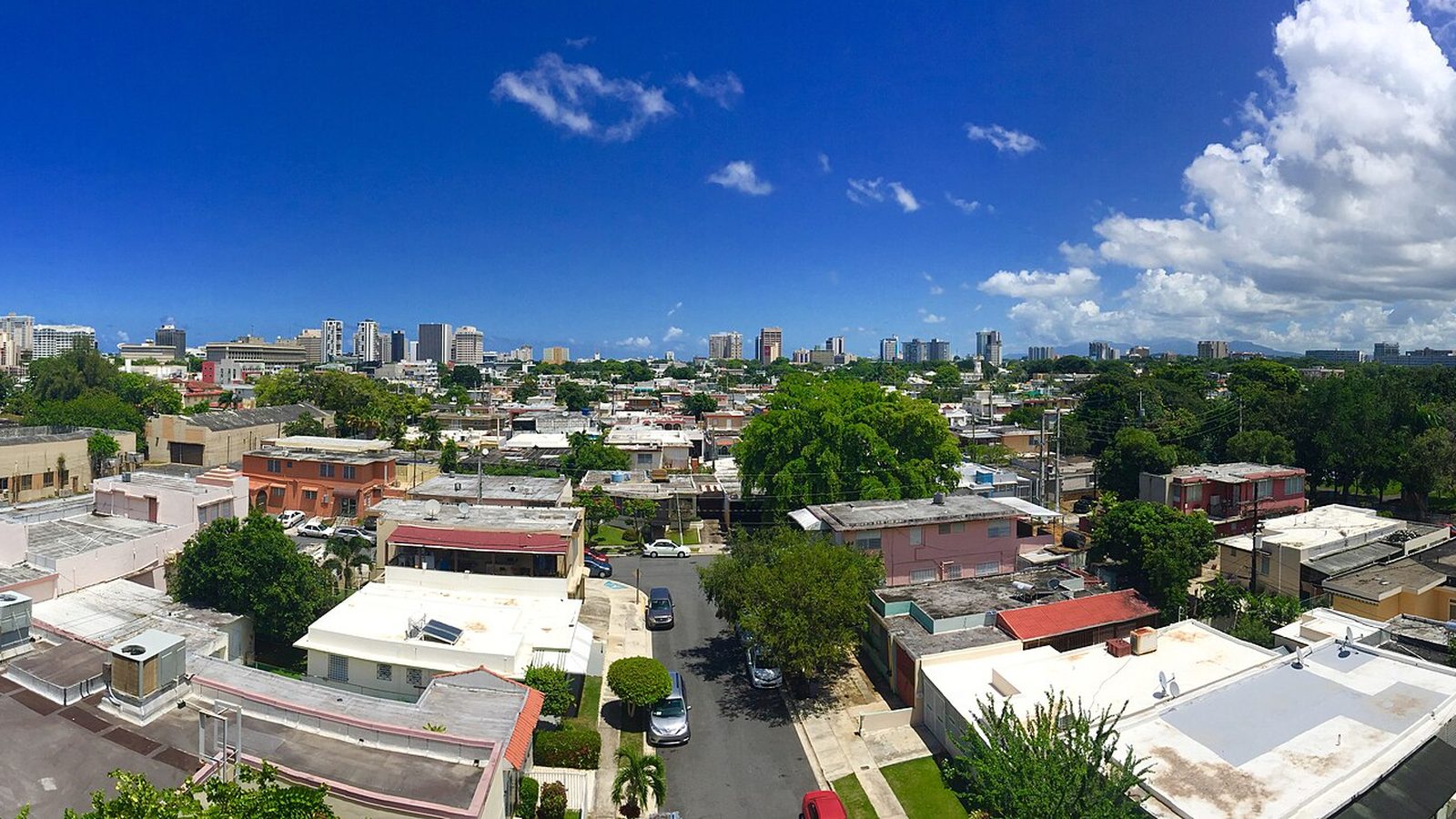
 Nils Huenerfuerst / Wikimedia Commons · CC BY 4.0
PuertoRico.com is free, and readers like you keep it that way.
The PuertoRico.com newsroom checks every story against its sources and publishes it free. If this one helped, a contribution of any size keeps the next one free too.
Secure checkout by Stripe: card, Apple Pay, Google Pay or Link.
One payment, nothing to sign up for.
Contributions go to Puerto Rico.com, LLC. They are not charitable donations and are not tax-deductible. Payments are processed by Stripe.
Thank you for keeping PuertoRico.com free.
Your contribution went through. It helps pay for the next story.
Contributions go to Puerto Rico.com, LLC. They are not charitable donations and are not tax-deductible. Payments are processed by Stripe.