

The short version
- Primera Hora reported that middle-income families earning $40,000 to $60,000 a year face the highest tax burden through income taxes, IVU and excises while receiving little or no Earned Income Credit
- The study found that 42.7% of IVU collections come from business purchases that cannot be recovered, raising production costs that are passed on to consumers
- Municipal patents on sales regardless of profit and inventory taxes lead small businesses to hold less stock, increasing the island's vulnerability according to the foundation president
- If current trends continue the analysis projects 213,000 fewer jobs by 2045 and an annual drop of about $843 million in combined income tax and IVU revenue
Middle-class families bear heaviest load
A new study titled "Radiografía estructural del sistema contributivo de Puerto Rico y sus principales distorsiones económicas" by the Fundación del Colegio de Contadores Públicos Autorizados de Puerto Rico found that the island's tax system places the greatest burden on the working class while businesses pay the highest sales and use tax (IVU) on operational purchases. Primera Hora reported.
Rolando López, president of the foundation, said the study shows the total tax load on middle-income families earning between $40,000 and $60,000 annually. These families pay income tax and, because they spend most of what they earn, also pay IVU and excises while receiving little or no Earned Income Credit. Inflation increases their burden without new legislation because the dependent deduction remains at $2,500; adjusted for inflation it would be $3,762. This group is also shrinking due to emigration and aging. Primera Hora reported.
Businesses pass on the IVU they pay on purchases, which cannot be recovered. The study determined that 42.7 percent of IVU revenue comes from such business purchases. This tax accumulates through the supply chain and raises the cost of producing in Puerto Rico. Consumers ultimately pay these embedded costs along with other taxes imposed on products before they are sold. Primera Hora reported.
Also on PuertoRico.com: Cost of living in Puerto Rico
What the sources posted
Posts and statements below are the sources' own words, quoted as published. They are not independently verified.
el estudio pone de relieve la carga total de la familia de ingresos medios, entre $40,000 y $60,000 al año
Our translation: the study highlights the total burden on the middle-income family, between $40,000 and $60,000 a year
The source's own statement, as quoted by Primera Hora. Not verified by PuertoRico.com.
Una reforma debe facilitar el trabajo y la inversión, y fortalecer la base que sostiene los servicios públicos
Our translation: A reform must facilitate work and investment, and strengthen the base that sustains public services
The source's own statement, as quoted by Primera Hora. Not verified by PuertoRico.com.
Impact on businesses and future projections
At the municipal level, patents are charged on sales whether or not the business makes a profit, and inventory tax is charged on stored goods whether or not they are sold. Both weigh more heavily on small, low-margin businesses. The inventory tax leads businesses to keep less stock than is prudent, leaving the island more vulnerable, López said. Primera Hora reported.
The study projects that if trends taxing workers and businesses continue there will be 213,000 fewer jobs by 2045 and an annual reduction of approximately $843 million in combined income tax and IVU collections. These are conditional scenarios illustrating the risk of financing growing public needs with a shrinking tax base. Primera Hora reported.
Gerardo Torres, president of the Colegio de CPA, stated that the findings reinforce the need to evaluate the tax system comprehensively, reduce unjustified differences between comparable activities, simplify compliance, provide rule stability, and consider families' ability to pay and business operating conditions. A reform should facilitate work and investment and strengthen the base that supports public services. Primera Hora reported.
Where the sources differ
All three sources cover the Shakira concert announcement and agree on the 2011 last visit, the 2027 Latin American leg of the Las Mujeres Ya No Lloran World Tour, the six countries listed, and the promotional posts by Fenix Entertainment and Grandes Eventos. However only the Primera Hora tax story provides any information on the tax study, its findings, projections or recommendations. The three entertainment articles differ slightly on wording and on whether they name producer José “Pompi” Vallejo or mention the Hiram Bithorn stadium as a likely venue, but contain no conflicting facts on the tax topic.
What the reports do not say
The reports do not specify when or how the tax study was released beyond the date of the Primera Hora article, nor do they detail the exact methodology or data sources used in the projections of 213,000 job losses and $843 million revenue drop. They also do not indicate whether government officials have responded to the findings or announced any plans to begin the comprehensive reform recommended by the foundation and the Colegio de CPA.
Sources
Every link below was opened and checked when this story was published. Official means a government body, agency or the organization itself; Reporting means a news outlet.
- Official ¿Por qué vivir y producir en Puerto Rico cuesta cada vez más?
- Reporting ¿Por qué vivir y producir en Puerto Rico cuesta cada vez más?
How we checked this
Primera Hora published the only report on the tax study and its economic implications. The other three sources focused exclusively on the announcement that Shakira will return to perform in Puerto Rico in 2027. The tax article rests on the foundation's study and statements by Rolando López and Gerardo Torres.
Compiled by the PuertoRico.com News Desk from the reports and statements listed above, and checked against them before publishing. It does not include original interviews. Spot an error? Email support@puertorico.com with a link to this story.
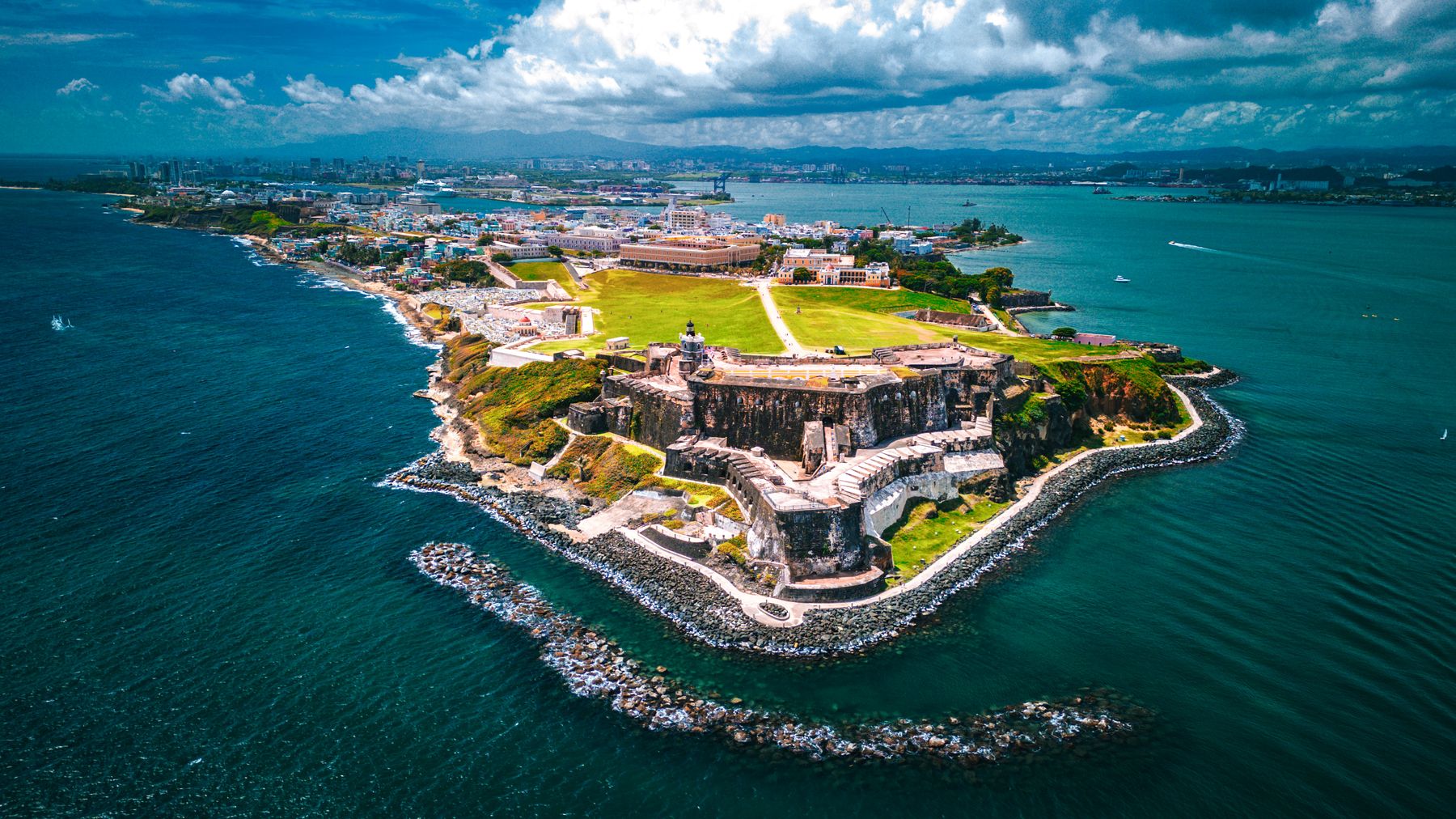 Nils Huenerfuerst / Wikimedia Commons · CC BY 4.0
PuertoRico.com is free, and readers like you keep it that way.
The PuertoRico.com newsroom checks every story against its sources and publishes it free. If this one helped, a contribution of any size keeps the next one free too.
Secure checkout by Stripe: card, Apple Pay, Google Pay or Link.
One payment, nothing to sign up for.
Contributions go to Puerto Rico.com, LLC. They are not charitable donations and are not tax-deductible. Payments are processed by Stripe.
Thank you for keeping PuertoRico.com free.
Your contribution went through. It helps pay for the next story.
Contributions go to Puerto Rico.com, LLC. They are not charitable donations and are not tax-deductible. Payments are processed by Stripe.