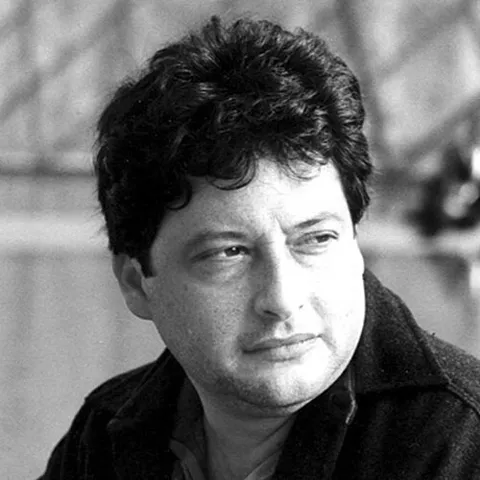
Alfredo Wiechers Pieretti: biography
Early life and family
Alfredo Braulio Wiechers Pieretti was born on 26 March 1881 in Ponce, Puerto Rico. He was the youngest of five children of Georg Friederich Wiechers Kelm, a businessman from Hamburg, Germany, and Isabel Pieretti Marsaud, a woman from Ponce of Corsican ancestry. After his father died in Ponce, the adolescent Wiechers Pieretti came under the guardianship of Juan Lacot, husband of his oldest sister Rosa. They soon moved to Barcelona, after which he began studies at the École Spéciale d'Architecture in Paris. 1 2
Training and return to Ponce
Wiechers Pieretti received a gold medal in 1901 for outstanding achievement at the Paris school. He graduated in 1905 and worked at the office of Enric Sagnier, a famous Spanish architect, in Barcelona, Spain. In 1908 he married Carmen Gilet, a woman born in Ponce, in Barcelona. The couple returned to Puerto Rico in 1910 and settled in Ponce, where he began to receive commissions for important buildings. 1
Major works in Ponce
Within two years of his return Wiechers Pieretti completed his own residence and studio, the Wiechers-Villaronga Residence, in 1912. He lived there for seven years before selling the property to Gabriel Villaronga. The house, located in the Ponce Historic Zone, now operates as the Museo de la Arquitectura Ponceña. Between 1911 and 1918 he was commissioned with various important buildings such as the Logia Aurora, Club Deportivo de Ponce, the Havana Theater, Banco de Ponce Building, and Santo Asilo de Damas Hospital among others. He also created the Casa Serrallés in 1911, now home to the Museo de la Música Puertorriqueña, the Oppenheimer House, the Blasini Residence, the Vendrell House, and homes for the Gelpí and Arce families. Additional works from this period are the Mausoleo del Cuerpo de Bomberos at the Cementerio Civil de Ponce, the Logia Adelphia, and the Pedro Schuk Grau house. Outside Ponce he designed Quinta Vendrell in Adjuntas and Villa Julita, also known as Casa Ulrich, in Aibonito; both properties are listed on the National Register of Historic Places. 1
Later years
He did not practice architecture again, both because he lacked a license to do so and because of poor health. He died on 15 July 1964 in Barcelona and was buried at the Mausoleum of the Gilet family in Montjuïc Cemetery. 1 2
Legacy and ties to Puerto Rico
Wiechers Pieretti is remembered for enriching Ponce with numerous architecturally significant buildings completed in a short span of years. He is honored at Ponce's Park of the Illustrious Ponce Citizens. The Architecture and Construction Archives at the University of Puerto Rico holds the Alfredo Wiechers Collection, which contains drawings, photographs and publications for 128 projects organized chronologically. 1
Questions about Alfredo Wiechers Pieretti
When was Alfredo Wiechers Pieretti born?
Alfredo Wiechers Pieretti was born on March 26, 1881 in Ponce, Puerto Rico.
Why did Alfredo Wiechers Pieretti leave Puerto Rico?
In 1918 he returned to Barcelona citing political pressure from authorities in Puerto Rico. He never practiced architecture again after that move.
What is the Wiechers-Villaronga Residence now used for?
The house he designed and lived in from 1912 is now the Museo de la Arquitectura Ponceña in the Ponce Historic Zone.
Which of Wiechers Pieretti's works are listed on the National Register of Historic Places?
Quinta Vendrell in Adjuntas and Villa Julita, also known as Casa Ulrich, in Aibonito are both listed on the National Register of Historic Places.
When did Alfredo Wiechers Pieretti die?
Alfredo Wiechers Pieretti died on 1964 in Barcelona, Spain.
Sources
- Wikipedia: Alfredo Wiechers Pieretti
- Wikipedia (español): Alfredo Braulio Wiechers
- Wikidata: Q4723890
- Universidad de Puerto Rico (cited by Wikipedia)
- National Park Service (cited by Wikipedia)
- Periódico La Perla (cited by Wikipedia)
We did not find a freely licensed photo we could use, so we show initials instead.
Reviewed November 18, 2026. Original biography by PuertoRico.com. Editorial policy