
Quick answer
- Who: Indigenous Arawakan-speaking peoples of the northern Caribbean, including Puerto Rico (Borikén).
- Society: Agricultural communities led by caciques, with fixed settlements described by early sources and later scholars.
- Today: Many people identify as Taíno; revival communities continue cultural practice. Extinction narratives are outdated.
Who were the Taíno?
The Taíno were Indigenous peoples of the northern Caribbean — from the Lucayan islands through Cuba, Jamaica, Hispaniola and Puerto Rico into parts of the northern Lesser Antilles. They were among the earliest Caribbean peoples that post-Norse Europeans met in the Americas. Scholars group them with the wider Arawakan language family.
On Puerto Rico (Borikén)
Puerto Rico’s Indigenous name in Taíno contexts is often given as Borikén (Borinquen in Spanish spelling). Early Spanish accounts describe agricultural villages, ceremonial plazas and leadership by caciques. Place names, foods and words in Puerto Rican Spanish still reflect that heritage.
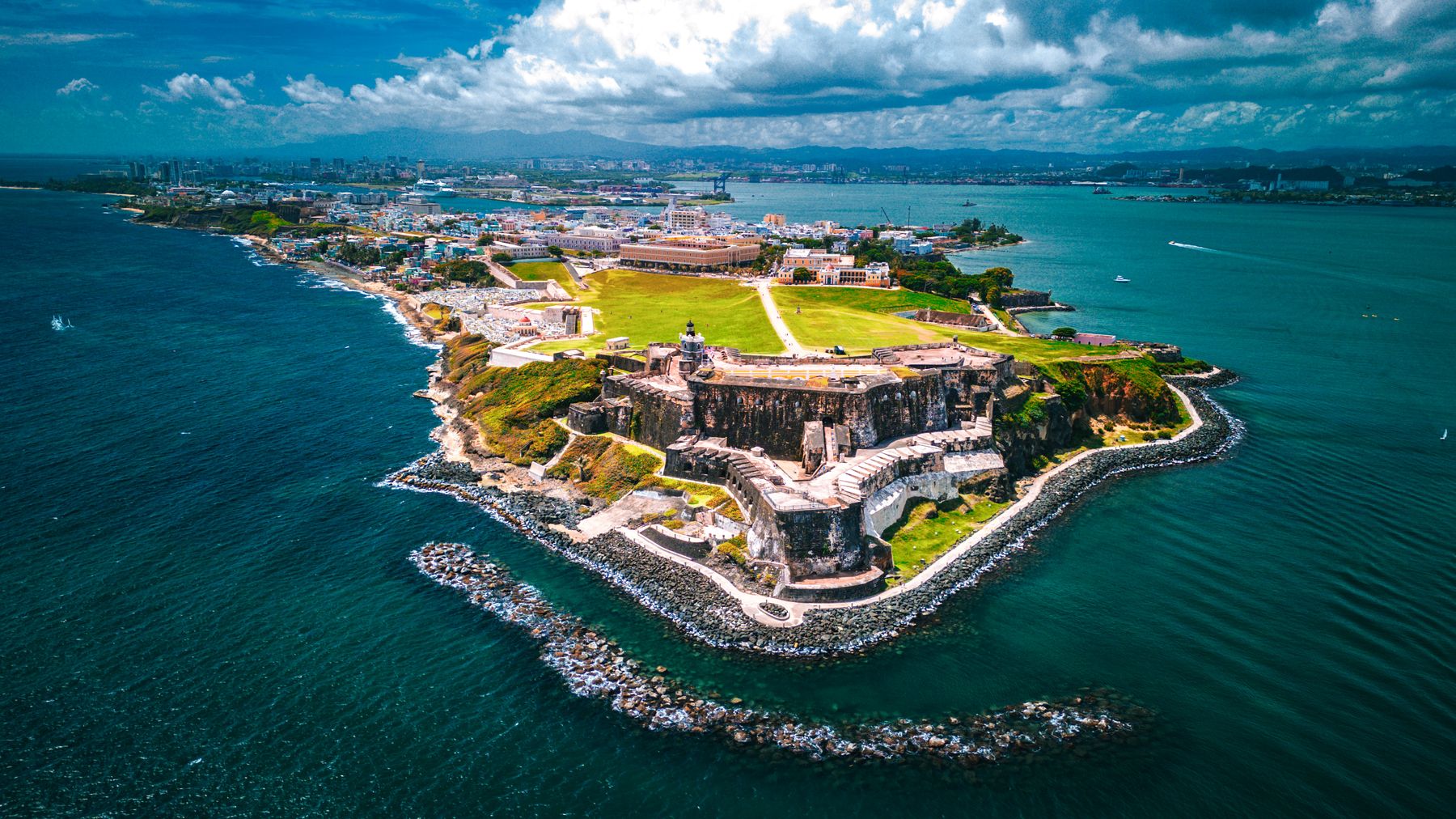
Ceremonial centers and petroglyph sites are documented by Puerto Rico’s Institute of Puerto Rican Culture and by U.S. agencies at some protected areas. For a colonial-era capital built after contact, see Old San Juan and the NPS San Juan National Historic Site materials.
Are the Taíno “extinct”?
Older textbook lines claimed the Taíno disappeared within decades of contact. Genetic, historical and community evidence shows Indigenous survival through mixture and continuity, and many people today identify as Taíno. Revival communities practice language, ceremony and crafts. The label “Taíno” itself is debated among scholars — it was not a universal self-name in 1493 — but it is the term most readers recognize.
How to learn respectfully
- Prefer museum and agency interpretation over souvenir myths.
- Do not remove artifacts from beaches or caves.
- Read descendant and Puerto Rican scholarly voices alongside Spanish chronicles.
Frequently asked questions
Who were the Taíno in Puerto Rico?
Indigenous Arawakan-speaking peoples of Borikén and neighboring islands, organized in cacique-led agricultural societies before and at European contact.
Do Taíno people still exist?
Yes. Many people identify as Taíno today, and revival communities continue cultural practice. Claims of total extinction are outdated.
What does Borikén mean?
Borikén (Borinquen) is the Indigenous name associated with the island of Puerto Rico in Taíno contexts.
Sources we checked
Checked in October 2026. Where a fact could not be confirmed against a primary source, we removed it or said so.
Originally published on PuertoRico.com (2026-10-28). Reviewed and updated October 2026: facts were checked against the sources above.