Agriculture to begin ground fumigation against Mediterranean fruit fly in San Juan
The Department of Agriculture will start localized spraying on Oct. 22 from Paseo de la Princesa to El Escambrón after confirming 1,652 wild specimens by Oct. 16.
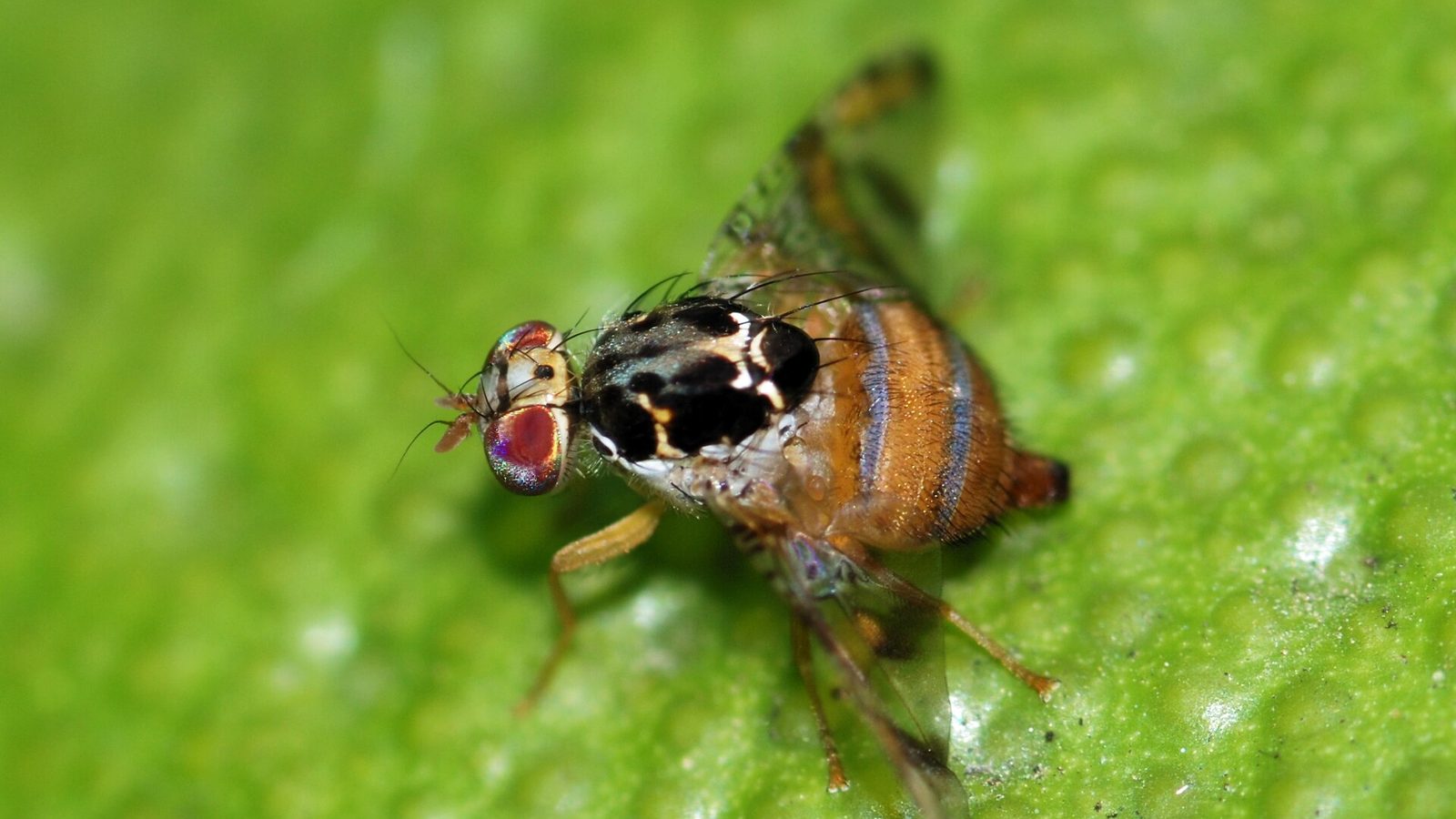 Photo
The short version
- Metro Puerto Rico reported that the Department of Agriculture will begin terrestrial spraying on Thursday, Oct. 22, in the San Juan islet from Paseo de la Princesa to El Escambrón
- Both Metro Puerto Rico and El Vocero reported 1,652 wild Mediterranean fruit fly specimens confirmed by Oct. 16, along with 889 traps, 945 bait stations and removal of 14,934 pounds of host fruit
- El Vocero reported the spraying will use GF-120 NF Naturalyte Fruit Fly Bait containing 0.02 percent spinosad applied with manual pumps to selected foliage and will be repeated every seven days
- Both outlets reported the operation is coordinated with USDA-APHIS, follows a July 16 detection and July 28 quarantine, and includes six rounds of sterile fly releases totaling about 6.5 million in the first four rounds
Fumigation to start this week
The Puerto Rico Department of Agriculture will launch a ground spraying operation against the Mediterranean fruit fly on Thursday, Oct. 22, in the San Juan islet from Paseo de la Princesa to El Escambrón, Metro Puerto Rico reported. The measure follows confirmation of 1,652 wild specimens by Oct. 16. Agriculture Secretary Irving Rodríguez Torres stated in written remarks that the spraying complements brigades' work with traps, bait stations and removal of host fruit to prevent the insect from reaching crops.
The operation will be carried out with the federal Animal and Plant Health Inspection Service (USDA-APHIS). It will consist of localized applications on trees and vegetation selected by technical personnel using manual one-gallon pumps, without aerial dispersion, El Vocero reported. Treatments will be repeated every seven days depending on weather conditions and the operational plan.
Also on PuertoRico.com: Restaurants & bars in Ceiba
What the sources posted
Posts and statements below are the sources' own words, quoted as published. They are not independently verified.
Tenemos que erradicar la población de esta mosca donde se ha detectado y evitar que llegue a nuestros cultivos. La aspersión complementa el trabajo que ya realizan las brigadas mediante las trampas, las estaciones de cebo y la remoción de frutas que pueden albergar el insecto
Our translation: We have to eradicate the population of this fly where it has been detected and prevent it from reaching our crops. The spraying complements the work already carried out by the brigades through traps, bait stations and the removal of fruit that can harbor the insect.
The source's own statement, as quoted by Departamento de Agricultura. Not verified by PuertoRico.com.
Product and safety measures
The bait product, GF-120 NF Naturalyte Fruit Fly Bait, contains 0.02 percent spinosad as the active ingredient and is registered with the U.S. Environmental Protection Agency. It is also listed by the Organic Materials Review Institute for use in organic production. A USDA-APHIS evaluation concluded that human health risk is minimal when label instructions are followed, according to both outlets.
Residents and merchants have been asked to stay away from intervention points, allow brigade access and follow staff instructions. Precautions will be taken to prevent the product from reaching bodies of water or areas outside the selected zones. Rodríguez Torres said citizen safety is part of the planning and that the product has specific uses and precautions that must be observed.
Broader control efforts
The actions follow the initial detection of the Mediterranean fruit fly on July 16 and the declaration of a quarantine on July 28. By Oct. 16 authorities had maintained 889 traps and placed 945 bait stations in San Juan while removing 14,934 pounds of host fruit. Six rounds of sterile fly releases had been completed, with the first four totaling approximately 6.5 million insects; figures for the two October rounds were still pending consolidation, both reports stated.
The operational map as of Sept. 30 defines a 41.8-square-mile quarantine zone that includes sectors of the San Juan islet and other metropolitan areas. One specimen was detected in Ceiba on Aug. 17 with no further finds reported. The department reiterated that the fly does not bite or pose a direct threat to human health but can damage fruit and vegetable crops and cause economic losses. It urged compliance with restrictions on movement of fruit and regulated materials and asked the public not to remove traps or bait stations.
Where the sources differ
Metro Puerto Rico and El Vocero agree on all core facts including the Oct. 22 start date, the 1,652 wild flies detected by Oct. 16, the product to be used, the coordination with USDA-APHIS, the July detection and quarantine dates, the numbers of traps, bait stations and fruit removed, the six sterile-fly release rounds and the 41.8-square-mile quarantine zone. Metro Puerto Rico includes a direct quote from Secretary Irving Rodríguez Torres on safety and organic certification that El Vocero also carries. The only minor difference is that Metro Puerto Rico explicitly names the full area from Paseo de la Princesa to El Escambrón while El Vocero uses the same description but adds that the quarantine zone extends beyond the islet.
What the reports do not say
The reports do not state the expected total duration of the repeated weekly treatments, whether additional areas beyond the San Juan islet will receive spraying in coming weeks, the precise cost of the operation, or any projected economic impact on local agriculture or tourism. They also do not indicate whether residents will receive advance notice of each weekly spraying date or what exact buffer distances are maintained from water bodies.
Sources
Every link below was opened and checked when this story was published. Official means a government body, agency or the organization itself; Reporting means a news outlet.
- Official Agricultura comenzará fumigación contra la mosca del Mediterráneo en San Jua
- Reporting Agricultura comenzará fumigación contra la mosca del Mediterráneo en San Jua
- Reporting Agricultura iniciará operativo de fumigación contra la mosca del Mediterráneo en San Juan
How we checked this
Both Metro Puerto Rico and El Vocero reported the same set of figures and plans released by the Department of Agriculture. The total number of sterile flies released in October and any further detections after Oct. 16 rest on the single official update provided by the department through these two outlets.
Compiled by the PuertoRico.com News Desk from the reports and statements listed above, and checked against them before publishing. It does not include original interviews. Spot an error? Email support@puertorico.com with a link to this story.