PRCuenta warns of risks from proposed 2030 Census changes for Puerto Rico
The initiative urges public comments by Nov. 2 on U.S. Census Bureau proposals that could alter residency rules, remove race and ethnicity questions including the Puerto Rican checkbox, and affect federal funding and data quality.
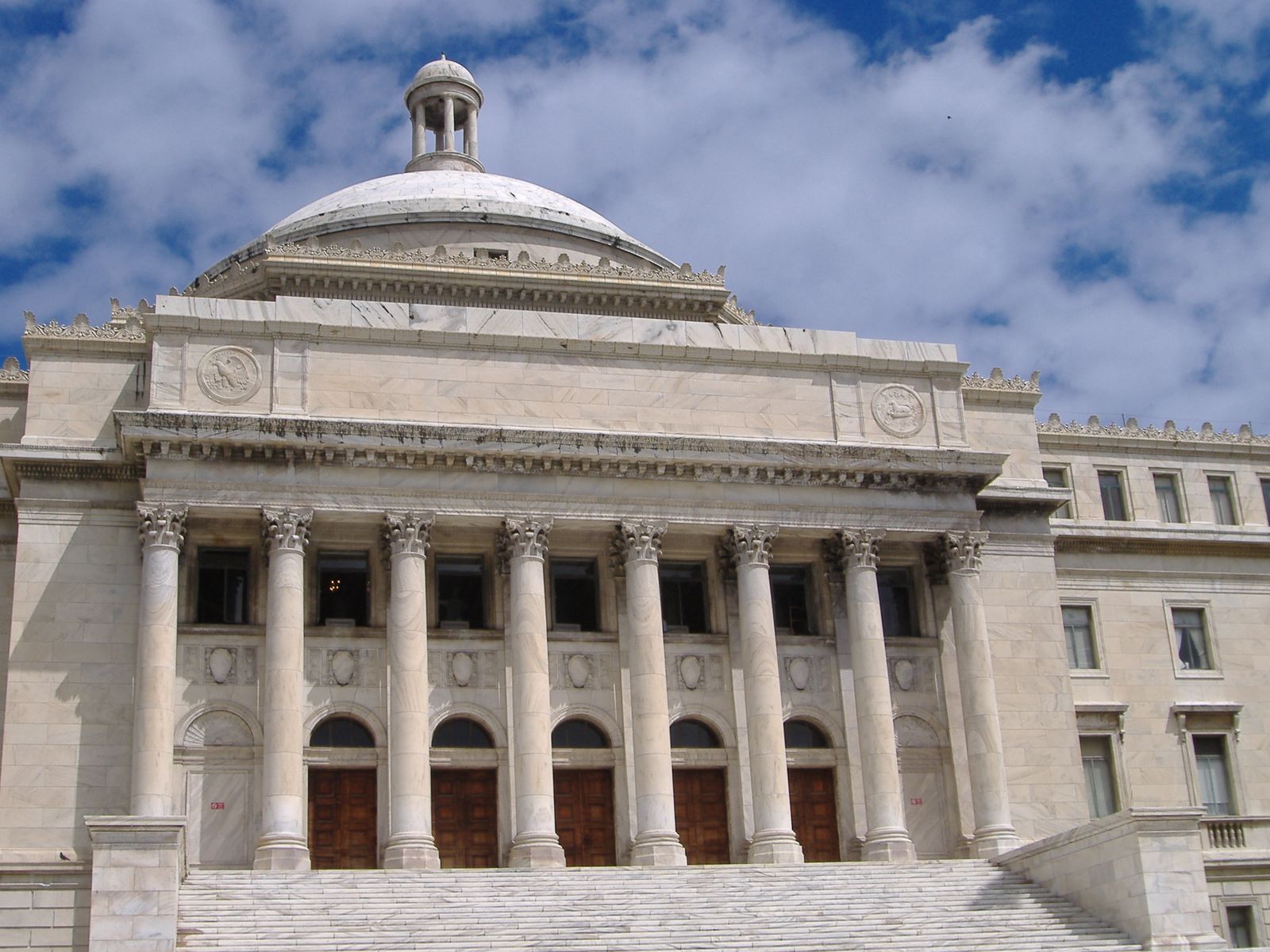 File photo
The short version
- Sin Comillas reported the U.S. Census Bureau proposal would change where people are counted and eliminate race and ethnicity questions including the Puerto Rican identifier
- El Vocero reported the changes could impact distribution of federal funds, planning of health education and housing services and electoral district maps
- PRCuenta asks the bureau to clarify application of the rules to Puerto Rico evaluate administrative records and preserve field verification methods
- Economist José Caraballo Cueto and CNE president Rosanna Torres warned of invisibility for informal economy workers and loss of data for budget decisions
Proposed changes and warnings
The initiative “PRCuenta” has warned about proposed modifications to the 2030 Census by the U.S. Census Bureau that could affect Puerto Rico and its diaspora. The proposal would modify criteria for determining where a person is counted, prohibit questions on race and ethnicity in the questionnaire including the checkbox for “Puerto Rican,” and change the treatment of certain non-citizens for apportionment of seats in the U.S. House of Representatives. Sin Comillas reported the changes were published on Sept. 10.
Although Puerto Rico does not participate in the apportionment of congressional seats, the initiative said the provisions could affect the approximately 5.8 million Puerto Ricans living in the United States and the redrawing of electoral districts and maps on the island. PRCuenta called on the federal agency to clarify how the proposed rules would apply to the territory, evaluate the coverage and quality of administrative records, preserve field verification methods and maintain demographic information for communities. It also requested meaningful opportunities for participation in Spanish. El Vocero reported that public comments are due by Nov. 2, 2026.
Also on PuertoRico.com: Is Puerto Rico part of the US?
What the sources posted
Posts and statements below are the sources' own words, quoted as published. They are not independently verified.
El censo afecta decisiones muy concretas: dónde hacen falta servicios, qué comunidades necesitan mayor inversión y cómo justificamos nuestras necesidades ante el Gobierno federal.
Our translation: The census affects very concrete decisions: where services are needed, which communities need greater investment and how we justify our needs before the federal government.
The source's own statement, as quoted by Sin Comillas. Not verified by PuertoRico.com.
Impact on funding and services
Lorena Molina Irizarry, former senior adviser for Puerto Rico at the Census Bureau in Washington and leader of the Territorial Data Gap Committee, said the census affects concrete decisions on services, investment and justification of needs before the federal government. She warned that not being counted could have irreparable impacts on Puerto Rico’s economy for more than a decade. Ataveyra Medina Hernández, co-executive director of Espacios Abiertos, stated that census data form the basis for allocation of billions of dollars in federal funds and that any change affecting the population count would have a direct impact on essential services.
The initiative highlighted concerns about use of tax records as proof of residency because many residents file only with the Puerto Rico Department of Hacienda. It also raised issues with postal addresses versus actual residence in areas with post office boxes or rural routes, and with mobility between Puerto Rico and the states during the January-to-April reference period for students, caregivers and families.
Concerns over data quality
Economist José Caraballo Cueto noted that elimination of race and ethnicity questions could make certain communities invisible. He cited a large informal economy in Puerto Rico and a 28-percentage-point gap in employment reporting in low-income San Juan communities between administrative data and the Puerto Rico Community Survey. Rosanna Torres, president of the Center for a New Economy, said data are not an academic luxury but the basis for deciding spending and investment without burdening future generations.
Where the sources differ
Both Sin Comillas and El Vocero agree on the main proposed changes, the identity of the quoted experts, the potential effects on federal funding and services, and the call for public comments by Nov. 2. Sin Comillas includes additional quotes from economist José Caraballo Cueto on the informal economy and from Rosanna Torres on data-driven decisions. El Vocero provides more detail on specific concerns such as tax records, postal addresses, mobility between Puerto Rico and the states, and the exact publication date of the proposal.
What the reports do not say
The reports do not state how many people could be undercounted, the exact dollar amount of federal funds at risk, whether the Census Bureau has responded to PRCuenta’s requests for clarification, or what position if any the Puerto Rico government has taken on the proposal. They also do not specify the full list of services or programs that would be affected beyond general categories.
Sources
Every link below was opened and checked when this story was published. Official means a government body, agency or the organization itself; Reporting means a news outlet.
- Reporting Alertan sobre cambios al Censo 2030
- Reporting Alertan sobre riesgos de cambios al Censo 2030 para Puerto Rico y la diáspora
How we checked this
Sin Comillas and El Vocero both covered the PRCuenta warning about 2030 Census changes. All quotes and specific concerns such as the informal economy and administrative records rest on statements gathered by these two outlets.
Compiled by the PuertoRico.com News Desk from the reports and statements listed above, and checked against them before publishing. It does not include original interviews. Spot an error? Email support@puertorico.com with a link to this story.