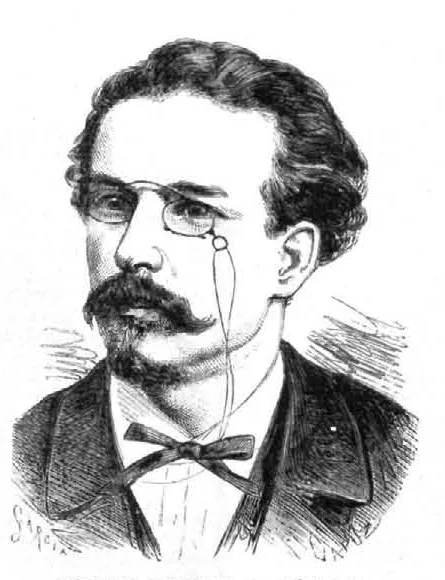
Francisco Arriví: biography
Early life and family
Francisco Arriví was born on June 24, 1915, in Santurce, San Juan, Puerto Rico, to a Spanish father and a Puerto Rican mother. His grandmother regularly took him to the theater, sparking an early interest in dramatic works. At age 10 he built a small stage in the backyard of his house on Calle Wilson in Santurce, where he and his friends performed children's stories. He attended Padre Rufo and Rosendo Matienzo Cintrón public schools for primary education and graduated from Escuela Superior Central. He then studied at the University of Puerto Rico at Río Piedras, where he composed Himno al Alma Mater, the institution's official hymn. 1 2 3
Teaching and radio years
After graduation Arriví taught Spanish and literature at Ponce High School. He founded the student drama club Tinglado Puertorriqueño and staged his first one-act plays there, Club de Solteros in 1940 and El diablo se humaniza in 1941. He joined the Sociedad Dramática de Teatro Popular, known as Areyto, under director Leopoldo Santiago Lavandero. He also worked on the Department of Education's Escuela del Aire radio program broadcast on WIPR. His series From the Jungle to the Skyscrapers featured original radio plays including Hacienda Villareal, Alma de Leyenda, Heroes de Guerra and Páginas de Nuestra Historia. In 1949 he received a Rockefeller Foundation scholarship and earned a master's degree in radio and theater at Columbia University in New York City. In 1951 he wrote Ayer y Hoy, the first television program broadcast in Puerto Rico, and scripts for El Niño Dios and Luis Muñoz Rivera. 1 3
Theater direction and major plays
In 1955 Arriví presented Bolero y Plena at the University Theater. The trilogy continued with Vejigantes, staged at the First Puerto Rican Theater Festival in 1958 and awarded by the Institute of Puerto Rican Literature the following year, and Sirena. In 1959 he was appointed director of the ICP's theater program. He organized the First Playwrights Seminary in 1961. Several works received international stagings, including a 1959 adaptation of Vejigantes by Frank Dauster. 1 2 3
Poetry, essays and other contributions
Arriví published his first poetry collection, Isla y Nada, in 1958; it won first prize from the Círculo Cultural Yaucano. His second collection, Frontera, appeared in 1960 and received the same Yaucano prize plus the Institute of Puerto Rican Literature award. He wrote several essays on theater, among them Entrada por las Raíces, Conciencia Puertorriqueña del Teatro Contemporáneo and Areyto Mayor. In 1982 the Puerto Rican Endowment for the Humanities named him Humanist of the Year. 1 2 3
Later years and legacy
Arriví was a cousin of archaeologist Ricardo Alegría. A plaque in the lobby of Ponce's Teatro La Perla, placed by the administration of mayor Jose Dapena Thompson between 1984 and 1988, recognizes him as poet, playwright, essayist and promoter of Puerto Rican values. He died of cardiac arrest on February 8, 2007, at Ashford Presbyterian Community Hospital in San Juan. He was buried at Cementerio Los Ángeles in Guaynabo. He was survived by his son Francisco Arriví Cros and two grandchildren. His published works include Bolero y Plena, Tres Obras de Teatro, Via Poetica and the English editions Canticle for a Memory and Via Poetica. 1 3
Questions about Francisco Arriví
When was Francisco Arriví born?
Francisco Arriví was born on June 24, 1915 in Santurce, San Juan, Puerto Rico.
What is the Máscara puertorriqueña trilogy?
The trilogy consists of Bolero y Plena (which includes Medusa en la Bahía and El Murciélago), Vejigantes and Sirena. These plays addressed racial prejudice in Puerto Rico and were staged between 1955 and 1959.
Which institutions did Arriví direct or found?
He founded the Tinglado Puertorriqueño drama club at Ponce High School, directed the theater program of the Instituto de Cultura Puertorriqueña for 20 years, and organized the First Playwrights Seminary in 1961.
What recognition did the Puerto Rico Legislature give Arriví?
The Legislature named the Teatro Francisco Arriví, formerly known as Teatro Matienzo, in his honor for his contributions to Puerto Rican theater and his artistic legacy.
When did Francisco Arriví die?
Francisco Arriví died on February 8, 2007 in San Juan, Puerto Rico, aged 91.
Sources
- Wikipedia: Francisco Arriví
- Wikipedia (español): Francisco Arriví
- Enciclopedia de Puerto Rico: Francisco Arriví
- Wikidata: Q948438
- Library of Congress: Francisco Arriví
- Fundación Nacional para la Cultura Popular (cited by Wikipedia)
- DOI (cited by Wikipedia)
We did not find a freely licensed photo we could use, so we show initials instead.
Reviewed November 18, 2026. Original biography by PuertoRico.com. Editorial policy