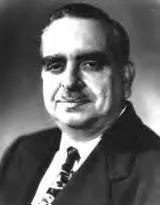
Jesús T. Piñero: biography
Early life and family
Jesús Toribio Piñero Jiménez was born on April 16, 1897, in Carolina, Puerto Rico, to Emilio Piñero Estrella and Josefa Jiménez Sicardó. He later studied engineering at the University of Pennsylvania in Philadelphia. 1 2 3
Agricultural work and entry into politics
From 1920 onward Piñero managed family lands dedicated to sugar cane cultivation and dairy farming in Carolina. His focus on agricultural development drew him into politics, especially issues affecting sugar cane growers. Between 1928 and 1932 he served as president of the Carolina Municipal Assembly. From 1934 to 1937 he presided over the Association of Sugar Cane Growers and lobbied in Washington for benefits under the Costigan-Jones Act. During this period he met Luis Muñoz Marín while advocating for local farmers. In 1938 he joined Muñoz Marín in founding the Popular Democratic Party and led efforts to register the new party. 1 2 3
Legislative service and resident commissioner
In the 1940 elections Piñero won a seat in the House of Representatives for the Popular Democratic Party. In 1944 he was elected Resident Commissioner of Puerto Rico and represented the island in the U.S. House of Representatives without voting rights. 1 2 3
Governorship and major legislation
In 1946 President Harry S. Truman appointed Piñero governor, replacing Rexford Guy Tugwell. He became the first and only native Puerto Rican to hold the office in a formal capacity under U.S. administration before the position became elective. During his term legislation passed that laid groundwork for Operation Bootstrap through tax exemptions for new industries. Plans for the Isla Verde international airport in Carolina were developed under his administration. On May 21, 1948, the Puerto Rican Senate approved a bill restricting independence and Nationalist activities. Piñero signed it into law on June 10, 1948. Known as the Ley de la Mordaza or Gag Law, it criminalized printing, publishing, or distributing material intended to paralyze the government, organizing related groups, singing patriotic songs, and displaying the Puerto Rican flag. Penalties included up to ten years in prison and fines up to $10,000. In 1947 the U.S. Congress approved the Elective Governor Act during his tenure. The first popular election for governor occurred on November 2, 1948; Luis Muñoz Marín won and succeeded Piñero in 1949. From 1947 to 1951 Piñero represented the United States on the Caribbean Commission. 1 2 3
Later years, death, and legacy
He then retired from public service. Piñero died on November 19, 1952, at his home in Loíza and was buried in the Carolina Municipal Cemetery. A high school, public housing complex, and major avenues in San Juan and Cayey bear his name. The Agriculture building at the University of Puerto Rico at Mayagüez is named after him. Carolina commissioned a monument sculpted by Jose Buscaglia Guillermety at the town entrance. 1 2 3
Questions about Jesús T. Piñero
When was Jesús T. Piñero born?
Jesús T. Piñero was born on April 6, 1897 in Carolina, Puerto Rico.
What was the Ley de la Mordaza that Piñero signed?
The 1948 law criminalized actions intended to paralyze the insular government, including printing certain materials, organizing related groups, singing patriotic songs, and displaying the Puerto Rican flag. Penalties reached ten years in prison and fines up to $10,000.
How did Piñero contribute to Operation Bootstrap?
During his governorship legislation passed that provided tax exemptions for industries establishing operations in Puerto Rico. These measures later formed the basis for the economic development plan known as Operation Bootstrap.
What happened to Piñero after his governorship ended?
He collaborated with Leonard D. Long on low-cost housing projects. In 1952 he died in Loíza and was buried in Carolina. His personal papers and films are now part of a collection at Universidad Ana G. Méndez in Carolina.
When did Jesús T. Piñero die?
Jesús T. Piñero died on 1952 in Loíza, Puerto Rico.
Sources
- Wikipedia: Jesús T. Piñero
- Wikipedia (español): Jesús T. Piñero
- Enciclopedia de Puerto Rico: Jesús T. Piñero
- Wikidata: Q331345
- Encyclopaedia Britannica: Jesús T. Piñero
- Olympedia: Jesús T. Piñero
- Library of Congress: Jesús T. Piñero
- Biographical Directory of the U.S. Congress (cited by Wikipedia)
- U.S. House of Representatives (cited by Wikipedia)
- El Nuevo Día (cited by Wikipedia)
- Yale University (cited by Wikipedia)
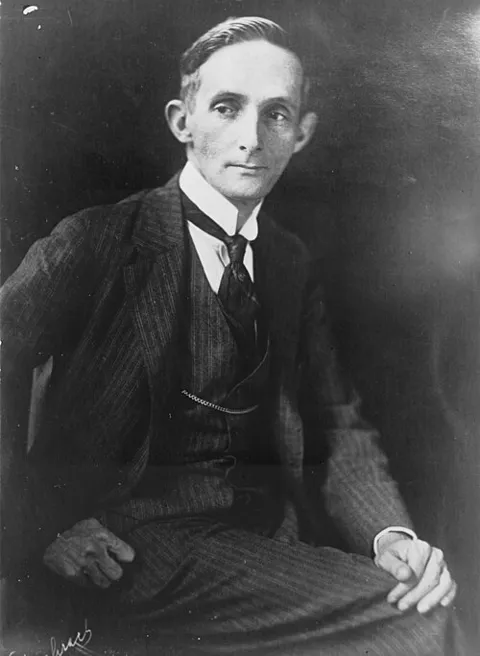
Photo: Jesus T. Piñero.jpg, U.S. Government photographer (Public domain). Resized and converted to WebP.
Reviewed November 18, 2026. Original biography by PuertoRico.com. Editorial policy