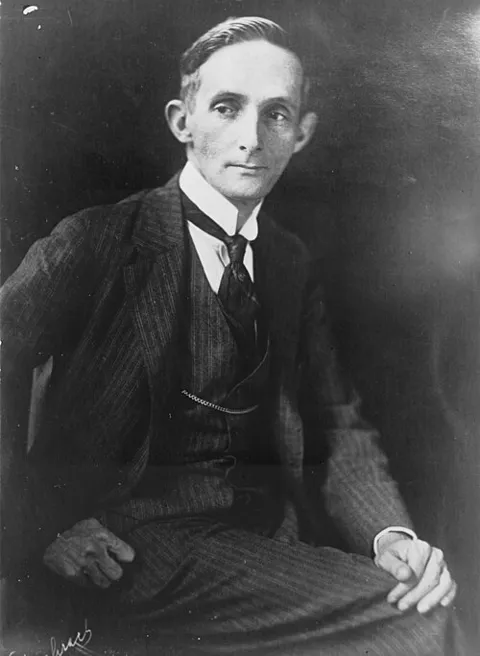
Félix Córdova Dávila: biography
Early life and family
Félix Lope María Córdova Dávila was born on November 20, 1878, in Vega Baja, Puerto Rico, to Lope Córdova y Thibault and María Concepción Dávila y Dávila. Both parents died while he was young, and he was raised by his cousin Dr. Gonzalo María Córdova y Dávila in Jayuya. He studied independently using his cousins' library before attending public schools in Manatí, where he also worked at a drugstore owned by another cousin, Clemente Ramírez de Arellano Córdova. He first enrolled at Howard University Law School as its only white student in his first year before transferring to National University Law School, now George Washington University Law School, where he earned a Master of Laws degree. Denied a law license in the District of Columbia because Puerto Ricans lacked U.S. citizenship, he successfully protested and gained admission to the bar there. He returned to Puerto Rico and was admitted to practice law in 1903. In 1906 he married Mercedes Díaz Collazo. Their children were Jorge Luis, born in 1907, Félix Lope, born in 1909, and Enrique, born in 1913. Mercedes died in October 1918 from influenza. He married Patria Martínez in 1919. 1 3
Judicial career in Puerto Rico
In 1904 Governor William Hunt appointed him judge of the municipal court in Caguas. He then served as judge of the municipal court in Manatí from 1904 to 1908, district attorney for Aguadilla in 1908, judge of the district court in Guayama from 1908 to 1910, judge of the district court in Arecibo from 1910 to 1911, and judge of the district court in San Juan from 1911 to 1917. On January 12, 1912, he was one of nine attorneys and judges who founded Puerto Rico's first law school under U.S. rule at the Ateneo Puertorriqueño, where he taught civil code courses. The school later became the University of Puerto Rico School of Law. 1 2 3
Resident Commissioner in Congress
On July 16, 1917, Córdova Dávila was elected as the Union Party candidate to succeed Luis Muñoz Rivera as Resident Commissioner from Puerto Rico to the U.S. House of Representatives. He was re-elected to four-year terms in 1920, 1924 and 1928. His duties involved representing Puerto Rico as a non-voting delegate. He hired Luis Muñoz Marín, son of his predecessor, as a clerk in his congressional office. 1 2 3
Supreme Court service and later years
On April 11, 1932, President Herbert Hoover appointed Córdova Dávila associate justice of the Supreme Court of Puerto Rico. He resigned as Resident Commissioner that day and held the judicial post until his retirement on March 31, 1938. He died of prostate cancer on December 3, 1938, in San Juan, Puerto Rico. His son Jorge Luis Córdova later served in both the Resident Commissioner and associate justice positions. A school in Manatí is named after him. Letters and writings related to his congressional service have been published through collaboration involving Dr. Loretta Phelps de Córdova and the Official Historian of Puerto Rico. 1 2 3
Ties to Puerto Rico
Córdova Dávila contributed to the foundation of the Ateneo Puertorriqueño law school, which later became the University of Puerto Rico School of Law. 3
Questions about Félix Córdova Dávila
When was Félix Córdova Dávila born?
Félix Córdova Dávila was born on November 20, 1878 in Vega Baja, Puerto Rico.
What positions did Félix Córdova Dávila hold in the Puerto Rican courts before entering Congress?
He served as municipal judge in Caguas and Manatí, district attorney in Aguadilla, and district judge in Guayama, Arecibo and San Juan between 1904 and 1917.
Which political party elected Félix Córdova Dávila as Resident Commissioner?
The Union Party of Puerto Rico elected him in 1917 to succeed Luis Muñoz Rivera. He was later re-elected under the Alianza Puertorriqueña.
What role did Félix Córdova Dávila play in legal education in Puerto Rico?
In 1912 he co-founded the first law school under U.S. rule at the Ateneo Puertorriqueño, where he taught civil code. The institution later became the University of Puerto Rico School of Law.
When did Félix Córdova Dávila die?
Félix Córdova Dávila died on December 3, 1938 in San Juan, Puerto Rico, aged 60.
Sources
- Wikipedia: Félix Córdova Dávila
- Wikipedia (español): Félix Córdova Dávila
- Enciclopedia de Puerto Rico: Félix Córdova Dávila
- Wikidata: Q1385359
- Biographical Directory of the U.S. Congress: Félix Córdova Dávila
- Library of Congress: Félix Córdova Dávila
- Oficina de Servicios Legislativos de Puerto Rico (cited by Wikipedia)
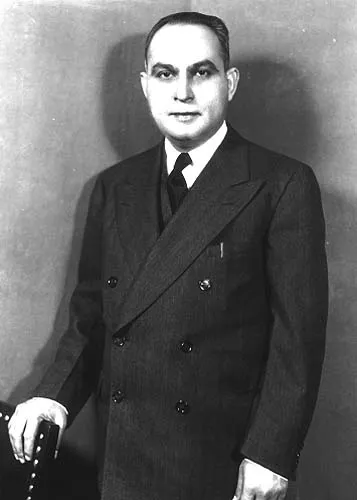
Photo: Félix Córdova Dávila.jpg, Bachrach, Louis Fabian, 1881-1963 (Public domain). Resized and converted to WebP.
Reviewed November 18, 2026. Original biography by PuertoRico.com. Editorial policy