José Feliciano: biography
Early life and family
José Montserrate Feliciano García was born blind due to congenital glaucoma on September 10, 1945, in Lares, Puerto Rico, as the fourth of eleven children. At age five his family moved to Spanish Harlem in New York City. He first played a cracker tin can to accompany his uncle on the cuatro at age three. By age seven he taught himself the accordion and at nine received his first guitar from his father. He practiced up to 14 hours daily, learning from 1950s rock and roll, classical guitarists and jazz players including Andrés Segovia and Wes Montgomery. He took classical guitar lessons with Harold Morris at The Lighthouse School for the Blind. Soul artists Ray Charles and Sam Cooke influenced his singing. At 17 he left high school to help support his family and began performing in Greenwich Village coffee houses. 1 2
1960s breakthrough
Signed by RCA Victor after being discovered at Gerde's Folk City in 1963, Feliciano released his debut single Everybody Do the Click in 1964. He performed at the 1964 Newport Folk Festival and issued early albums The Voice and Guitar of José Feliciano and A Bag Full of Soul. In 1966 he recorded in Argentina, adding blues and folk elements to bolero music and scoring hits with Poquita Fe and Usted. This launched a series of successful Spanish-language recordings across Latin America including La Copa Rota and a Spanish version of Strangers in the Night. His 1968 album Feliciano! reached number two on the charts and its B-side Light My Fire became a number three US hit, topping charts in Canada, Brazil and the UK. He won two Grammy Awards that year for Best New Artist and Best Pop Male Performance. On October 7, 1968, he performed a slow Latin-jazz version of The Star-Spangled Banner before Game 5 of the World Series in Detroit, sparking controversy but later entering the Baseball Hall of Fame. 1 2
Christmas classic and international expansion
In 1970 Feliciano released a Christmas album featuring his original composition Feliz Navidad, inspired by memories of childhood in Puerto Rico. The song became one of the most played and downloaded Christmas tracks worldwide, recognized by ASCAP among the 25 most-played holiday songs and inducted into the Grammy Hall of Fame. He wrote and performed the theme for the television series Chico and the Man, appearing in one episode. His instrumental Affirmation from 1975 was later recorded by George Benson. In the 1980s he recorded Spanish albums for Motown including Escenas de Amor and Me Enamoré, winning Grammy Awards for Best Latin Pop Performance. He earned four additional Grammys for Latin recordings and received a star on the Hollywood Walk of Fame in 1987. 1 2
Later career and honors
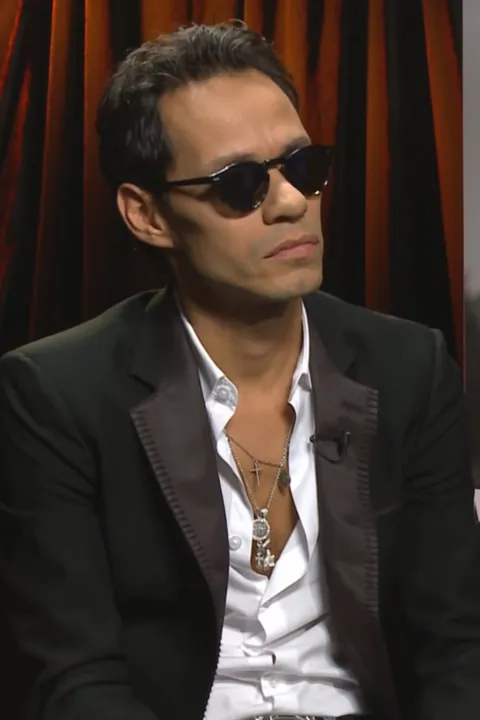
Feliciano released Señor Bolero in 1998, returning to romantic ballads and earning double platinum in several countries. In 2000 he received the Grammy Legend Award and performed the theme Behind the Mask for the series Queen of Swords. A tribute special Guitarra Mía produced by Banco Popular de Puerto Rico aired that year. He recorded the 2006 duets album José Feliciano y Amigos with artists including Marc Anthony and Gloria Estefan. In 2018 he marked 50 years since Feliciano! with a concert in Puerto Rico at the Luis A. Ferré Performing Arts Center, donated his 1968 Candelas guitar to the Smithsonian, and performed The Star-Spangled Banner again at Tiger Stadium to a positive reception. That year he sang at the Vatican Christmas concert. In 2019 he appeared on The Tonight Show in Puerto Rico with Lin-Manuel Miranda and Ozuna, released a duet of En Mi Viejo San Juan, and received a Lifetime Achievement Award at the Puerto Rican Day Parade. His 2020 album Behind This Guitar was recorded with longtime producer Rick Jarrard. 1 2
Ties to Puerto Rico
A school in New York was renamed the José Feliciano Performing Arts School in his honor, and he has a star on the Puerto Rico Walk of Fame. 1 2
Questions about José Feliciano
When was José Feliciano born?
José Feliciano was born on September 10, 1945 in Lares, Puerto Rico. José Feliciano is 81 years old.
How did José Feliciano lose his sight?
He was born blind as a result of congenital glaucoma.
Why was Feliciano's 1968 Star-Spangled Banner performance controversial?
His slow, Latin-jazz acoustic guitar rendition at the 1968 World Series in Detroit drew criticism from listeners who felt it disrespected the anthem.
What inspired José Feliciano to write Feliz Navidad?
While recording a Christmas album in 1970, producer Rick Jarrard asked him to write a new song; Feliciano recalled his childhood in Puerto Rico and composed it.
Sources
- Wikipedia: José Feliciano
- Wikipedia (español): José Feliciano
- Wikidata: Q315784
- Encyclopaedia Britannica: José Feliciano
- IMDb: José Feliciano (credits)
- AllMusic (cited by Wikipedia)
- Billboard (cited by Wikipedia)
- NPR (cited by Wikipedia)
- Smithsonian Magazine (cited by Wikipedia)
- Library of Congress (cited by Wikipedia)
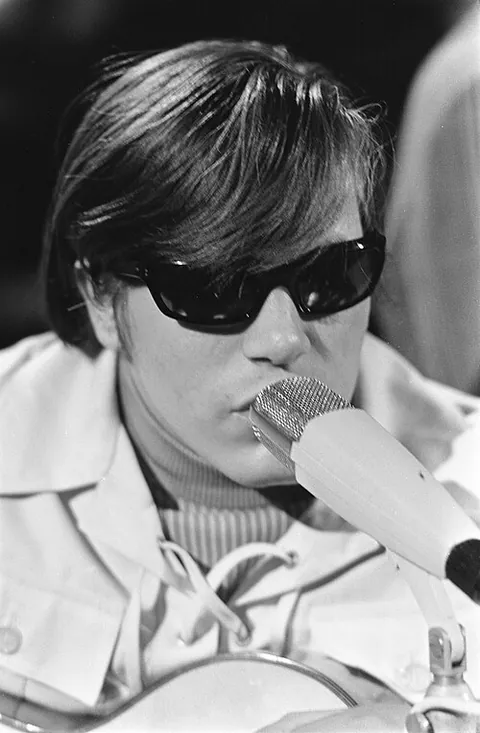
Photo: Grand Gala du Disque in RAI Amsterdam. Repetities. Feliciano, Bestanddeelnr 923-2992.jpg, Rob Mieremet / Anefo (CC0). Resized and converted to WebP.
Reviewed November 18, 2026. Original biography by PuertoRico.com. Editorial policy