Tito Puente: biography
Early life and family
Ernest Anthony Puente Jr. was born on April 20, 1923, at Harlem Hospital Center in Manhattan to Ernesto and Ercilia Puente, who were Puerto Ricans living in Spanish Harlem. The family moved often but he spent most of his childhood there. His father worked as foreman at a razor blade factory. His family called him Ernestito, later shortened to Tito. 1 2
As a child he was hyperactive and began music by listening to the radio. At age seven his mother enrolled him in piano lessons after neighbors complained about him striking pots and window frames. He switched to percussion around age ten, influenced by jazz drummer Gene Krupa. In the 1930s he formed a song-and-dance duo with his sister Anna and planned a dancing career until an ankle tendon injury ended that path. 1 2
Navy service and Juilliard studies
Puente was drafted into the U.S. Navy in 1942 and served three years aboard the escort carrier USS Santee during World War II. He played alto saxophone, clarinet, drums and piano in the ship's band, acted as bugler and served as a machine gunner in battles including Leyte and Midway. He received a Presidential Unit Citation. During downtime he arranged music and learned big-band writing from Lieutenant Sweeney. 1
After discharge the G.I. Bill enabled him to attend the Juilliard School of Music for three years to study conducting, orchestration and theory. His Japanese conducting teacher and postwar visits to Japan introduced Asian musical elements that later appeared in pieces such as Hong Kong Mambo and Mambo Buddha. He also credited wartime exposure to Asian culture with shaping his compositional approach. 1
Palladium era and rise to fame
In the late 1940s Puente played with bands led by Machito, José Curbelo and Pupi Campo before forming his own group, the Picadilly Boys, around 1948 or 1949. He specialized in Latin jazz and cubop. During the 1950s he reached peak popularity at the Palladium Ballroom in New York, known as the Home of the Mambo. There he engaged in friendly rivalries with Machito and Tito Rodríguez that pushed each to improve. 1 2
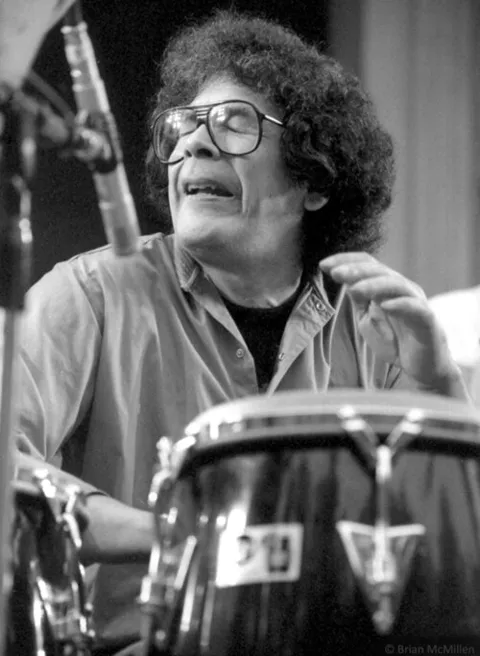
His 1958 album Dance Mania brought Cuban rhythms such as mambo, son and cha-cha-chá to mainstream audiences. He introduced piano techniques to vibraphone, marimba and timbales, redefining the latter as a solo instrument. Puente performed up front with showmanship rather than in the traditional rear percussion position of big bands. 1 2
Major works and collaborations
In 1963 he composed the cha-cha-chá Oye Cómo Va, later popularized by Carlos Santana in 1970 and recorded by Celia Cruz, Julio Iglesias, Irakere and others. He recorded 198 albums as leader or sideman, collaborating with Dizzy Gillespie, Lionel Hampton, Count Basie, Duke Ellington and others. Notable albums include Puente in Percussion (1956), El Rey Bravo (1962) and 50 Years of Swing (1997). 1 2
He worked with singers such as La Lupe and with Sophy. He appeared in films including The Mambo Kings (1992) as himself, Radio Days (1987), Armed and Dangerous (1986) and the documentary Calle 54 (2000). On television he performed on Sesame Street and voiced a music teacher in the two-part Simpsons episode Who Shot Mr. Burns? in 1995. 1 2
Later recognition and ties to Puerto Rico
Puente received the key to New York City in 1969, the National Medal of Arts in 1997, a Hollywood Walk of Fame star in 1990 and the James Smithson Bicentennial Medal in 1993. He performed at the 1996 Summer Olympics closing ceremony in Atlanta; those timbales are displayed at the National Museum of American History. An amphitheater at Luis Muñoz Marín Park in San Juan, Puerto Rico, bears his name. East 110th Street in Spanish Harlem was renamed Tito Puente Way in 2000. 1 2
Posthumous honors include a 2003 Grammy Lifetime Achievement Award, a 2007 U.S. Post Office naming in Spanish Harlem and a 2011 U.S. postage stamp in the Latin Legends series. 1 2
Questions about Tito Puente
When was Tito Puente born?
Tito Puente was born on April 20, 1923 in New York City.
How did Tito Puente's Navy service shape his music?
During three years aboard the USS Santee he arranged for big bands, learned from Lieutenant Sweeney and was exposed to Asian music and culture that later influenced compositions such as Hong Kong Mambo.
What is the origin of the song Oye Cómo Va?
Tito Puente composed the cha-cha-chá in 1963. It was popularized by Carlos Santana's 1970 rock version and recorded by Celia Cruz, Julio Iglesias and others.
Which venues in Puerto Rico honor Tito Puente?
An amphitheater at Luis Muñoz Marín Park next to the Roberto Clemente Coliseum in San Juan is named after him. He performed his last public show in Puerto Rico in 2000.
When did Tito Puente die?
Tito Puente died on May 31, 2000 in New York City, aged 77.
Sources
- Wikipedia: Tito Puente
- Wikipedia (español): Tito Puente
- Wikidata: Q317122
- Encyclopaedia Britannica: Tito Puente
- IMDb: Tito Puente (credits)
- The New York Times: Tito Puente obituary (June 2, 2000)
- NPR (cited by Wikipedia)
- AllMusic (cited by Wikipedia)
- Smithsonian Institution (cited by Wikipedia)
- Newsweek (cited by Wikipedia)
- CNN (cited by Wikipedia)
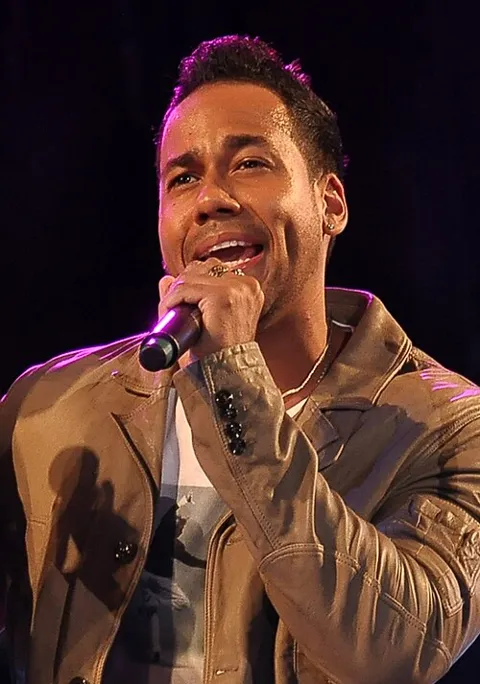
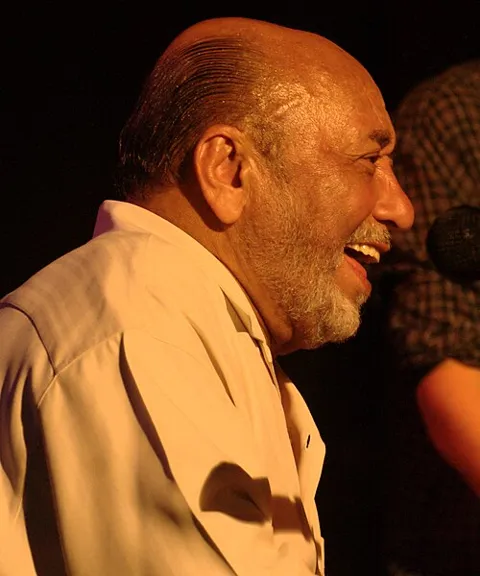
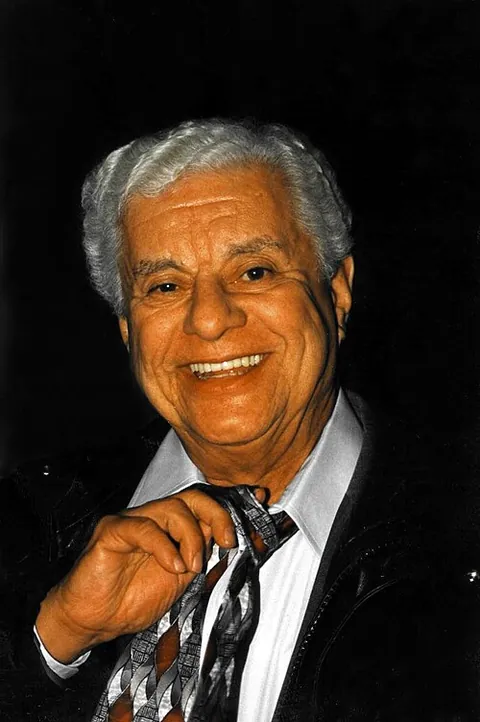
Photo: Tito Puentes.jpg, Kingkongphoto & www.celebrity-photos.com from Laurel Maryland, USA (CC BY-SA 2.0). Resized and converted to WebP.
Reviewed November 18, 2026. Original biography by PuertoRico.com. Editorial policy