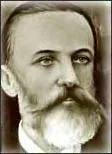
Fermín Tangüis: biography
Early life and family
Fermín Tangüis was born on March 29, 1851, in San Juan, Puerto Rico. In 1873, at age 22, he arrived in Lima, Peru, and took a position as a mercantile accountant. He later worked in the mines of Castrovirreyna and started his own businesses in Ayacucho and Huancavelica. By 1890, at age 39, he had bought land in the Valle de Pisco and established a cotton plantation. 1
The cotton crisis in Peru
In the 19th century sugar and cotton ranked as Peru's two leading agricultural exports. The disease entered plants through the roots, traveled up the stems and eventually dried them completely. The plague spread across cotton fields throughout the country. Many farmers abandoned cultivation after losing entire crops, pushing the national cotton industry into crisis. Tangüis observed that certain plants suffered less damage and began collecting seeds from the more resistant specimens. 1
Development of Tanguis cotton
Tangüis spent ten years conducting germination experiments with seeds from various cotton plants. In 1911 he succeeded in producing a seed that yielded a superior variety resistant to the wilt disease. The new plants produced fibers 40 percent longer, measuring between 29 and 33 millimeters, and noticeably thicker. These fibers resisted breakage, needed little water and grew in soils previously considered unsuitable. While traditional Egyptian cotton in Peru yielded one crop per year, the new variety produced six harvests annually. The improved resistance and performance surpassed other fibers available at the time. He shared the seeds freely with neighboring growers. Farmers in the region insisted on naming the variety after him despite his objections, calling it Tanguis cotton. It also became known locally as Oro Blanco or White Gold. The cotton spread quickly through the Cañete Valley south of Lima and along Peru's central coast. 1 2
Economic impact and later recognition
The success of Tanguis cotton revived Peru's cotton sector. Exports of the variety began in 1918. Combined with sugar exports, these sales helped the Peruvian government balance its national budget. The fiber gained international regard and appeared on the Liverpool Cotton Exchange in the United Kingdom. By 1997 the variety accounted for 75 percent of all Peruvian cotton production, serving both domestic textile needs and apparel exports. That year's crop reached an estimated 225,000 bales. The cotton remained the preferred choice of Peru's national textile industry for its strength and ease of manufacture. President Augusto B. Leguía, who served from 1919 to 1930, awarded Tangüis the Orden del Sol medal for his contributions to agriculture. The decoration recognizes exceptional achievements in arts, literature, culture and related fields. Tangüis continued managing his plantation until his death. 1
Legacy and ties to Puerto Rico
He is buried in the Presbitero Maestro Cemetery. A statue of him on horseback, designed by Manuel Piqueras Cotolí and completed by Ismael Pozo Velit, stands in Parque de la Reserva in Lima. Schools in San Juan de Miraflores and in Piura carry his name, as does a street in Trujillo. In 1985 committee member Dr. Alberto Giesecke of the Cosapi National Prize recommended publishing books on Peru's civilian heroes. The first volume covered the life of Fermín Tangüis. His work is remembered for transforming Peruvian agriculture through scientific persistence developed after leaving his birthplace in Puerto Rico. Born in San Juan to a French father and a Puerto Rican mother, Tangüis maintained ties to his island origins while building his career in Peru. His innovation in plant breeding demonstrated the impact a Puerto Rican scientist could have on another nation's economy, turning a near-collapse of cotton production into sustained growth that lasted decades. 1 2
Questions about Fermín Tangüis
When was Fermín Tangüis born?
Fermín Tangüis was born on March 29, 1851 in San Juan, Puerto Rico.
How did Fermín Tangüis develop resistance in his cotton variety?
He spent ten years experimenting with germination of seeds from plants that showed lower susceptibility to the Fusarium wilt fungus. In 1911 he isolated a seed that produced longer, thicker fibers needing little water and yielding six crops per year.
What economic effect did Tanguis cotton have on Peru?
Exports began in 1918 and, together with sugar sales, enabled the government to cover its national budget. By 1997 the variety made up 75 percent of Peruvian cotton output, estimated at 225,000 bales that year.
What honors did Peru give Fermín Tangüis?
President Augusto B. Leguía awarded him the Orden del Sol medal. A statue of Tangüis on horseback stands in Parque de la Reserva in Lima, and several schools and a street bear his name.
When did Fermín Tangüis die?
Fermín Tangüis died on August 24, 1930 in Lima, Peru, aged 79.
Sources
- Wikipedia: Fermín Tangüis
- Wikipedia (español): Fermín Tangüis
- Wikidata: Q4451109
- Library of Congress: Fermín Tangüis
- Colegio Fermín Tangüis (cited by Wikipedia)
- U.S. Department of Agriculture (cited by Wikipedia)
- Gobierno del Perú (cited by Wikipedia)
We did not find a freely licensed photo we could use, so we show initials instead.
Reviewed November 18, 2026. Original biography by PuertoRico.com. Editorial policy