Héctor Lavoe: biography
Early life and family
Héctor Juan Pérez Martínez was born on September 30, 1946, in the Machuelo Abajo barrio of Ponce, Puerto Rico. He was one of eight children of Francisca Martínez, known as Pachita, and Luis Pérez. His mother had a noted singing voice, his father played guitar with trios and big bands for local events, and his grandfather and uncle were also involved in music. 1 2 5
He attended the Escuela Libre de Música Juan Morel Campos in Ponce, where he first learned saxophone and performed in school events. Classmates included José Febles and Papo Lucca. Inspired by folk singer Jesús Sánchez Erazo, known as Chuito el de Bayamón, and Daniel Santos, he began singing in local clubs with childhood friends Roberto García and Febles while still a teenager. 1 2 5
Arrival in New York City
Against his father's wishes, Lavoe moved to New York City on May 3, 1963, at age 16, joining his sister Priscilla. He worked various jobs including painter, messenger, and porter while exploring Latin music clubs in the Bronx, Spanish Harlem, and Lower Manhattan. He reconnected with Roberto García and joined a newly formed sextet after demonstrating proper singing of the bolero Tus Ojos during a rehearsal. 1 2
Lavoe recorded his first album Está de bala with the New Yorkers led by Russell Cohen. He performed with Orquesta New York, Kako All-Stars, and Johnny Pacheco's groups. A manager adapted the nickname La Voz into his stage name Lavoe. In 1967, Pacheco recommended him to Willie Colón, leading to his role on the album El Malo. 1 2 5
Willie Colón years and solo career
Lavoe and Colón recorded fourteen albums together between 1967 and 1975, including El Malo, The Hustler, Cosa Nuestra, La Gran Fuga, Asalto Navideño, El Juicio, and Lo Mato. Hits included El Malo, Canto a Borinquen, Calle Luna Calle Sol, Aguanilé, and Mi Gente. Their sound featured trombones and Lavoe's improvisational style and humor. He also recorded with the Fania All-Stars starting in 1968, appearing on Live at the Red Garter, Live at Yankee Stadium, and other releases, and in films such as Our Latin Thing and Salsa. 1 2 5
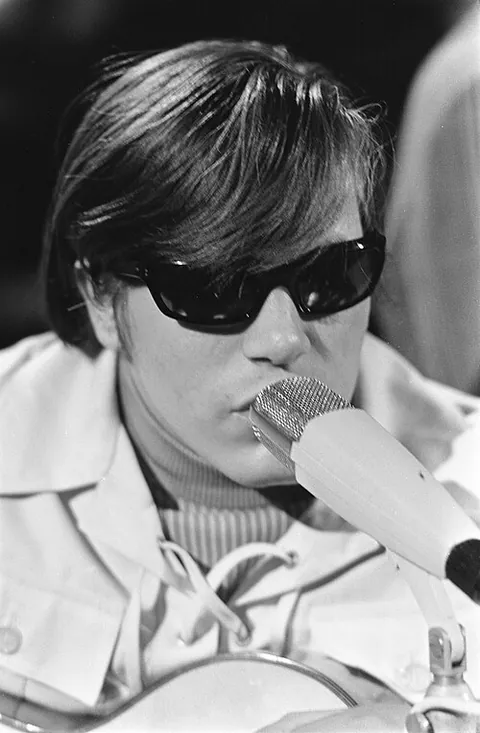
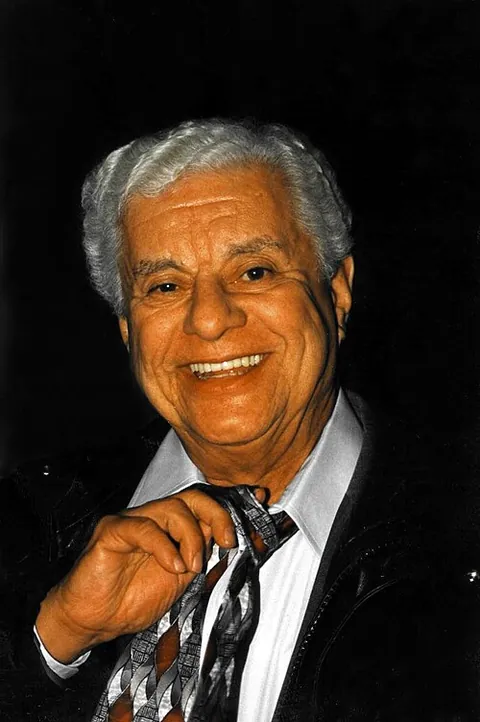
After Colón stopped touring in 1973, Lavoe formed his own orchestra and continued as a soloist while guesting with the Fania All-Stars. His solo albums included La Voz in 1975, which earned gold status and awards from Latin NY magazine, De Ti Depende, Comedia, Recordando a Felipe Pirela, El Sabio, Que Sentimiento, Revento, and Strikes Back. Signature songs were El Cantante by Rubén Blades, Periódico de Ayer by Tite Curet Alonso, Bandolera, Rompe Saragüey, and El Rey de la Puntualidad. He performed at the Zaire 74 festival and recorded with Tito Puente and Daniel Santos. 1 2 5
Later years and death
Lavoe spent 71 days in Cali, Colombia, in 1977 to distance himself from the environment of drugs. In 1979, he became deeply depressed and sought the help of a high priest of the Santería faith to treat his drug addiction. These events, along with being diagnosed with HIV from intravenous drug use, drove him to attempt suicide by jumping off the 9th floor of a Condado hotel room balcony in San Juan, Puerto Rico on June 26, 1988. 1 2
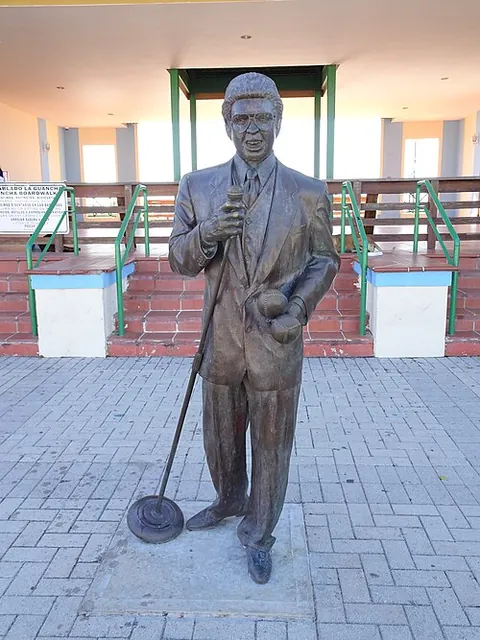
He was initially buried in the Bronx and later reinterred in the Cementerio Civil de Ponce with his son and widow Nilda Román. Posthumous honors include induction into the International Latin Music Hall of Fame in 2000, a statue at La Guancha in Ponce, renaming of Tremont Avenue in the Bronx, and a ranking at number 73 on Rolling Stone's 200 Greatest Singers of All Time in 2023. His life inspired the biographical film El Cantante and the play ¿Quién mató a Héctor Lavoe?. 1 2 5
Legacy and ties to Puerto Rico
Lavoe is recognized in Ponce at the Park for the Illustrious Ponce Citizens. His recordings of jíbaro songs such as Canto a Borinquen and collaborations with Daniel Santos and Yomo Toro on Asalto Navideño albums reflected Puerto Rican folk traditions. He performed frequently in Puerto Rico and maintained strong connections to the island throughout his career despite living primarily in New York. 1 2 5
Questions about Héctor Lavoe
When was Héctor Lavoe born?
Héctor Lavoe was born on September 30, 1946 in Ponce, Puerto Rico.
How did Héctor Lavoe get his stage name?
A former manager adapted the nickname La Voz, meaning The Voice, from Felipe Rodríguez to create the stage name Lavoe.
What was Héctor Lavoe's signature song?
El Cantante, written by Rubén Blades, became Lavoe's signature song after he recorded it against the composer's initial wishes.
Which Puerto Rican folk singer most influenced Lavoe as a child?
Jesús Sánchez Erazo, known as Chuito el de Bayamón, was Lavoe's favorite folk singer whom he imitated from an early age.
When did Héctor Lavoe die?
Héctor Lavoe died on June 29, 1993 in New York City, aged 46.
Sources
- Wikipedia: Héctor Lavoe
- Wikipedia (español): Héctor Lavoe
- Wikidata: Q555195
- Encyclopaedia Britannica: Héctor Lavoe
- Enciclopedia de Puerto Rico: Héctor Lavoe
- IMDb: Héctor Lavoe (credits)
- Primera Hora (cited by Wikipedia)
- Fundación Nacional para la Cultura Popular (cited by Wikipedia)
- The New York Times (cited by Wikipedia)
- Billboard (cited by Wikipedia)
- PBS (cited by Wikipedia)
Photo: Estatua de Héctor Lavoe en Tablado La Guancha, Barrio Playa, Ponce, PR (DSC01187).jpg, Tito Caraballo (CC BY-SA 2.0). Resized and converted to WebP.
Reviewed November 18, 2026. Original biography by PuertoRico.com. Editorial policy