Luis Palés Matos: biography
Early life and family
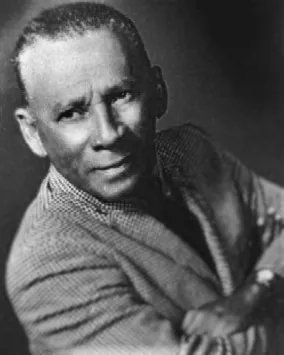
Luis Palés Matos was born in Guayama into a family of poets. His father Vicente Palés Anés and mother Consuelo Matos Vicil were both poets, as were several of his siblings. 1 5
Diepalismo and journalism
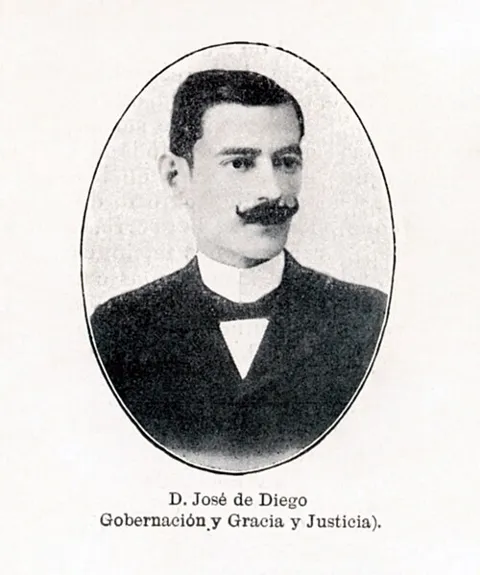
In 1918 Palés Matos moved to Fajardo, directed the newspaper El Pueblo and married Natividad Suliveres. Their son Edgardo was born that year, but Natividad died of tuberculosis in 1919. He expressed his grief in the poem El palacio en sombras. He then moved to San Juan and worked for newspapers such as El Mundo, El Imparcial and Puerto Rico Ilustrado. There he met José I. de Diego Padró and together they launched the literary movement diepalismo, which emphasized the musicality and sonority of verse. 1 2 5
Afro-Antillano poetry and film
In 1926 the newspaper La Democracia published his poem Pueblo negro, considered the first Afro-Antillano poem. This initiated a new genre in Latin American literature that incorporated Afro-Caribbean rhythms, onomatopoeia and cultural elements into Spanish verse. Performers such as Sylvia del Villard and Juan Boria later recited his poems. In 1934 he wrote the screenplay for Romance Tropical, the first Puerto Rican film with sound, directed by Juan Emilio Viguié. 1 2
Major works and later recognition
His 1937 collection Tuntún de pasa y grifería received the first prize from the Puerto Rican Institute of Literature and established his reputation. Other notable poems include Danza negra, Majestad negra, Canción festiva para ser llorada and Falsa canción de baquiné. In the 1940s and 1950s he traveled to universities and cultural institutions in the United States, giving lectures and readings. He also wrote the unfinished novel Litoral, published in installments. 1 2 5
Legacy and ties to Puerto Rico
Palés Matos died in San Juan in 1959 and was buried at the Puerto Rico Memorial Cemetery in Carolina. A house museum, Casa Luis Palés Matos, operates in his birthplace of Guayama. Public schools in Bayamón and a housing complex in Guayama carry his name, as does a building at the University of Puerto Rico's school of humanities. His poetry has been translated into English by William Carlos Williams, Julio Marzán and Jean Steeves-Franco. Artists such as Rafael Tufiño created works inspired by his poems, including the painting Majestad negra. Writers including Mercedes López Baralt and Noel Luna have studied his contributions to Puerto Rican and Caribbean literature. The novel "Yo-Yo Boing!" by Giannina Braschi pays tribute to his Afro-Antillano poems. 1 5
Questions about Luis Palés Matos
When was Luis Palés Matos born?
Luis Palés Matos was born on March 20, 1898 in Guayama, Puerto Rico.
What is the diepalismo movement?
Diepalismo was a Puerto Rican avant-garde poetry movement co-founded by Luis Palés Matos and José I. de Diego Padró. It emphasized the musicality and sonority of verse.
Which film did Luis Palés Matos write the screenplay for?
He wrote the screenplay for Romance Tropical, the first Puerto Rican film with sound, released in 1934 and directed by Juan Emilio Viguié.
How was Luis Palés Matos connected to Nicolás Guillén?
Palés Matos and the Cuban poet Nicolás Guillén are considered co-founders of the negrismo or Afro-Antillano poetry movement in the Caribbean.
When did Luis Palés Matos die?
Luis Palés Matos died on February 23, 1959 in San Juan, Puerto Rico, aged 60.
Sources
- Wikipedia: Luis Palés Matos
- Wikipedia (español): Luis Palés Matos
- Wikidata: Q1860436
- Encyclopaedia Britannica: Luis Palés Matos
- Enciclopedia de Puerto Rico: Luis Palés Matos
- El Nuevo Día (cited by Wikipedia)
- Fundación Nacional para la Cultura Popular (cited by Wikipedia)
- Library of Congress (cited by Wikipedia)
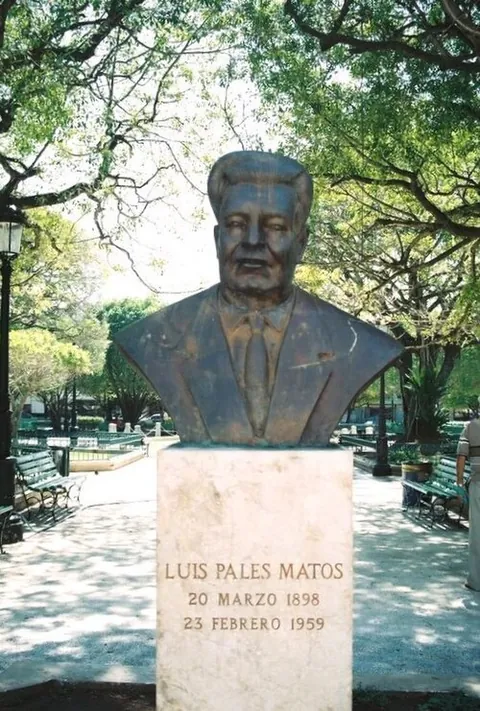
Photo: Busto Luis Palés Matos, Guayama, Puerto Rico.jpg, Joe Delgado (CC BY-SA 2.0). Resized and converted to WebP.
Reviewed November 18, 2026. Original biography by PuertoRico.com. Editorial policy