Rafael Hernández Marín: biography
Early life and family
As a child he learned cigar making while developing a love for music. At age 12 he studied in San Juan with professors Jose Ruellan Lequenica and Jesús Figueroa, learning clarinet, tuba, violin, piano and guitar. By 14 he performed with the Cocolia Orquestra and later with the municipal orchestra directed by Manuel Tizol. 1 5
World War I service
In 1917 Hernández worked as a musician in North Carolina when the United States entered World War I. Jazz bandleader James Reese Europe recruited him and his brother Jesús along with 16 other Puerto Ricans for the Orchestra Europe of the 369th Infantry Regiment, known as the Harlem Hellfighters. The unit served in France, where Hernández toured with the band. The regiment received the French Croix de Guerre for its actions. 1 2 5
Musical career in the Americas
After returning to the United States in 1919, Hernández played with the Lucky Roberts Band and toured the country. He moved to Cuba, directing the orchestra at Havana's Fausto Theater. Back in New York he formed the Trío Borincano in 1925; Pedro Flores joined in 1926 before the two pursued separate paths while remaining friends. Hernández then created the Cuarteto Victoria, which included Myrta Silva and was also known as Cuarteto Rico or El Cuarteto Rico. His sister Victoria opened Casa Hernandez in 1927, a music store that served as booking agency. In 1929 the Trío Borinquen recorded Linda Quisqueya. 1 2 5
In 1932 Hernández settled in Mexico, directing an orchestra, studying at the National Music Conservatory, acting, and composing film scores during the country's golden age of cinema. He married a Mexican. In 1937 he composed Lamento Borincano and Preciosa. A 1940 tour of Colombia began in Bogotá. 1 2 5
Major works
Among the best known are Lamento Borincano, Preciosa, El Cumbanchero, Campanitas de cristal, Capullito de alhelí, Perfume de gardenias, Silencio, Ausencia, Cachita and Ahora seremos felices. Many drew on Cuban styles such as guaracha and bolero, leading some works like Cachita to be mistaken for Cuban compositions. Lamento Borincano portrays the struggles of the Puerto Rican jíbaro and has been recorded by artists including Marc Anthony, Gilberto Santa Rosa, Javier Solís and Víctor Jara. 1 2 5
Later years, death and legacy
He died in San Juan on December 11, 1965, and was buried at Santa María Magdalena de Pazzis Cemetery. The special was rebroadcast in 2007. 1 2
Puerto Rico named the Aguadilla airport after him, along with schools, avenues and buildings. A statue by Tomás Batista stands in Bayamón. The Interamerican University maintains a museum at its Metropolitan Campus directed by his son Alejandro Hernández. In San Juan the Rafael Hernández Plaza features a large statue of the composer and a jíbaro on horseback referencing Lamento Borincano. Housing complexes in New York City and schools in Boston and Newark also bear his name. He was inducted into the International Latin Music Hall of Fame in 1999, the Latin Songwriters Hall of Fame in 2014, and the Puerto Rico Veterans Hall of Fame in 2017. Casa Hernandez received National Register of Historic Places listing in 2001. 1 2
Questions about Rafael Hernández Marín
When was Rafael Hernández Marín born?
Rafael Hernández Marín was born on October 24, 1892 in Aguadilla, Puerto Rico.
Why is Rafael Hernández Marín called El Jibarito?
The nickname reflects the themes in his song Lamento Borincano, which portrays the daily struggles of the Puerto Rican jíbaro and became identified with national pride.
What connection did Hernández have to Mexico?
He lived there from 1932, directed orchestras, studied at the National Music Conservatory, acted, composed film scores during the golden age of Mexican cinema, and married María Pérez Marín.
Which of his songs is considered an unofficial anthem of Puebla?
Qué chula es Puebla, written while he lived in Mexico, is regarded as the unofficial regional anthem and led to a monument in his honor in that state.
When did Rafael Hernández Marín die?
Rafael Hernández Marín died on December 11, 1965 in San Juan, Puerto Rico, aged 73.
Sources
- Wikipedia: Rafael Hernández Marín
- Wikipedia (español): Rafael Hernández Marín
- Wikidata: Q1184502
- Encyclopedia of Puerto Rico: Rafael Hernández Marín
- Enciclopedia de Puerto Rico: Rafael Hernández Marín
- IMDb: Rafael Hernández Marín (credits)
- Fundación Nacional para la Cultura Popular: Rafael Hernández
- Ley 205 de 1997: Día de Recordación de Rafael Hernández (LexJuris)
- The New York Times (cited by Wikipedia)
- Library of Congress (cited by Wikipedia)
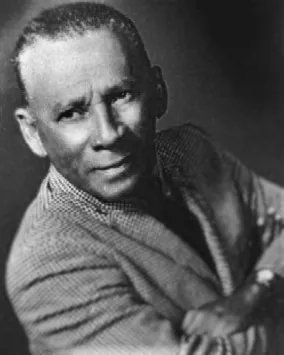
Photo: RafaelHD.jpg, Unknown author (Public domain). Resized and converted to WebP.
Reviewed November 18, 2026. Original biography by PuertoRico.com. Editorial policy