Manuel Ramos Otero: biography
Early life and education
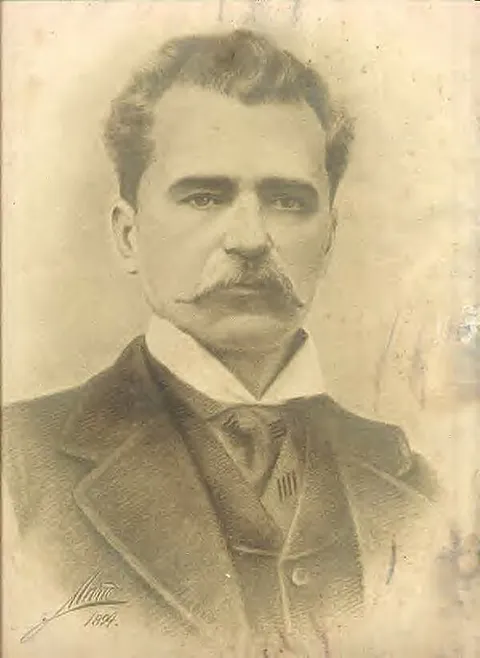
Jesús Manuel Ramos Otero was born on July 20, 1948, in Manatí, Puerto Rico, and spent his childhood there in the second location of the old Puerto Rican Casino building. He began his studies at Colegio La Inmaculada in Manatí. His family moved to San Juan when he was seven years old. He earned a B.A. in social sciences, majoring in sociology with a minor in political science, from the University of Puerto Rico, Río Piedras Campus, in 1969. In 1979 he received an M.A. in literature from New York University. 1 3
Career in New York
He later taught at Rutgers University, LaGuardia Community College, York College and Lehman College. He founded the small publishing house El Libro Viaje. He published his first collection, Concierto de metal para un recuerdo y otras orgías de soledad, in 1971. This book marked a shift in Puerto Rican literature by moving away from prevailing realist narratives toward experimental forms that questioned the narrative subject and incorporated autobiographical elements. He continued publishing stories in journals such as Penélope, Mundo Nuevo, Zona de Carga y Descarga and Sin Nombre between 1973 and 1976. Two of these, "Tren que no pasa por la vía" and "Ceremonia de bienes y raíces," received prizes from Sin Nombre. 1 3
Literary works
Ramos Otero published the novel La novelabingo in 1976 through his own press. The work follows a playful structure inspired by Julio Cortázar's Rayuela but uses a bingo game format. Its action moves between San Juan and New York in a matriarchal society of alienated Puerto Ricans in a capitalist world. Chapters function as bingo balls drawn from a container called the mamutcandungo, with characters tasked to interpret bingomitos. Each chapter can stand alone yet connects through themes of collective alienation and the search for freedom. His 1979 collection El cuento de la Mujer del Mar included the story "La última plena que bailó Luberza," published in 1975 in Zona de Carga y Descarga alongside Rosario Ferré's "Cuando las mujeres quieren a los hombres." Both stories drew from the life of Isabel Luberza Oppenheimer, known as Isabel la Negra, who operated a brothel in Ponce from the 1930s to the 1960s. Many of his narratives feature autobiographical characters who are gay Puerto Rican male writers living in New York City. His works openly present gay and feminist viewpoints, treating homosexuality as an outsider position that explores marginal subjects rather than seeking full integration. The 1987 collection Página en blanco y staccato continues the exploration, addressing the end of traditions, customs and literary genres. His posthumous 1991 poetry volume Invitación al polvo, which he called completely untranslatable, addresses the AIDS crisis along with love, passion and sex. 3
Later years, death and collected editions
In 1990 Ramos Otero returned to Puerto Rico to spend his final days. He died on October 7, 1990, in San Juan from complications of AIDS. Posthumous publications include the story collection Cuentos de buena tinta issued in 1992 by the Instituto de Cultura Puertorriqueña. In 1998 the Guadalajara International Book Fair released Tálamos y tumbas: prosa y verso, combining stories from El cuento de la Mujer del Mar with the poetry of El libro de la muerte. Later collected editions appeared as Cuentos (casi) completos in Havana in 2019 and Cuentos "completos" in San Juan in 2023, both edited by Arnaldo Cruz-Malavé. In 1999 and 2002 the Pregones Theatre company in the Bronx adapted his short story "Loca la de la locura" into the play "El bolero fue mi ruina," which later became an off-Broadway production staged at the Hostos Center for the Arts and Culture. 1 3
Critical reception and legacy
Literary scholars who have written about Ramos Otero include Arnaldo Cruz-Malavé, Jossianna Arroyo, Juan G. Gelpí, José Quiroga, Rubén Ríos Ávila, Yolanda Martínez-San Miguel and Daniel Torres. Ríos Ávila compared Ramos Otero's experiences in New York to those of exiled Cuban writer Reinaldo Arenas. Lawrence La Fountain-Stokes has examined his work within the Puerto Rican queer diaspora alongside artists such as Luz María Umpierre, Frances Negrón-Muntaner, Nemir Matos-Cintrón and Erika Lopez. In 2007 the compilers of the pioneering Puerto Rican LGBT anthology Los otros cuerpos dedicated the volume to his memory. 1 2
Questions about Manuel Ramos Otero
When was Manuel Ramos Otero born?
Manuel Ramos Otero was born on July 20, 1948 in Manatí, Puerto Rico.
Which story by Ramos Otero reimagines the life of Isabel la Negra?
La última plena que bailó Luberza, published in 1975 and later included in El cuento de la Mujer del Mar.
What experimental structure does the novel La novelabingo use?
It models its chapters on bingo balls drawn from a container called the mamutcandungo, with characters interpreting bingomitos.
How did Ramos Otero's HIV diagnosis affect his writing themes?
Death became a dominant subject, explored in El libro de la muerte, Página en blanco y staccato and the posthumous Invitación al polvo.
When did Manuel Ramos Otero die?
Manuel Ramos Otero died on October 7, 1990 in San Juan, Puerto Rico, aged 42.
Sources
- Wikipedia: Manuel Ramos Otero
- Wikipedia (español): Manuel Ramos Otero
- Enciclopedia de Puerto Rico: Manuel Ramos Otero
- Wikidata: Q3286921
- Library of Congress: Manuel Ramos Otero
- Yale University (cited by Wikipedia)
We did not find a freely licensed photo we could use, so we show initials instead.
Reviewed November 18, 2026. Original biography by PuertoRico.com. Editorial policy