Lola Rodríguez de Tió: biography
Early life and family
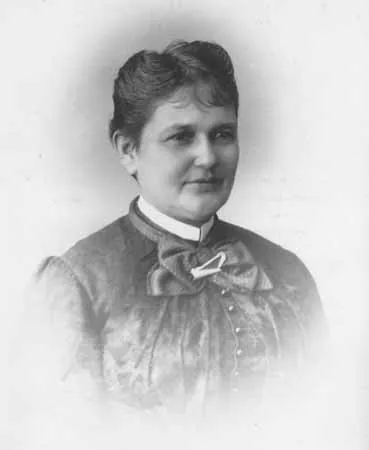
Lola Rodríguez de Tió was born Dolores Rodríguez de Astudillo y Ponce de León on September 14, 1843, in San Germán. Her father Sebastián Rodríguez de Astudillo helped found the Ilustre Colegio de Abogados de Puerto Rico. Her mother Carmen Ponce de León descended from Juan Ponce de León and lived in the Casa de los Ponce de León in the same town. She received home tutoring that fostered a deep interest in literature, particularly the works of Fray Luis de León. At age seventeen she insisted on wearing her hair short, defying social conventions of the period. In 1863 she married journalist Bonocio Tió Segarra in Mayagüez. 1 2 4
Political activism and exiles
After moving to Mayagüez, Rodríguez de Tió and her husband opposed Spanish colonial rule through writings and activism. A second exile in 1889 took them first to New York, where she collaborated with José Martí and Cuban revolutionaries, then to Cuba. Their Havana home served as a meeting place for politicians, intellectuals and exiled Puerto Ricans. She returned to Cuba after independence, worked as inspector of public schools, and was widowed in 1905. She visited Puerto Rico in 1915, receiving public honors. 1 2 4
Literary career
Subsequent books included Mi Ofrenda in 1880, Trabajos literarios in 1882, Claros, Nieblas y Congojas in 1885, Nochebuena in 1887 and Mi libro de Cuba in 1895. Many poems first appeared in newspapers in Puerto Rico and Cuba. Her work received praise from Spanish critics and translations by Edmond D’Amicis in Italy and Pierre Loti in France. In 1901 she joined the Cuban Academy of Arts and Letters. She wrote articles and reviews on cultural and political topics, often highlighting fraternal ties between Puerto Rico and Cuba. 1 2 4
Major works and patriotic contributions
In 1868, inspired by the Grito de Lares and Ramón Emeterio Betances, she composed new patriotic lyrics to the existing melody of La Borinqueña that became widely known. She also wrote the well-known poem Cuba y Puerto Rico son. Her poetry emphasized themes of liberty for both islands and opposition to Spanish rule. She maintained contact with Eugenio María de Hostos and other separatist intellectuals. 1 2 4
Later years and legacy in Puerto Rico
Rodríguez de Tió died on November 10, 1924, in Havana and was buried in the Colón Cemetery. Puerto Rico has named schools and avenues after her. In 2014 the Legislative Assembly of Puerto Rico placed a plaque in her honor in the Plaza en Honor a la Mujer Puertorriqueña in San Juan. She is remembered for her role in the literary and artistic traditions of the Spanish Antilles. 1 2 4
Questions about Lola Rodríguez de Tió
When was Lola Rodríguez de Tió born?
Lola Rodríguez de Tió was born on September 14, 1843 in San Germán, Puerto Rico.
What lyrics did Lola Rodríguez de Tió write for La Borinqueña?
In 1868 she composed patriotic lyrics inspired by the Grito de Lares that replaced the original words and became associated with the Puerto Rican independence movement.
How many times was Lola Rodríguez de Tió exiled from Puerto Rico?
She and her husband were banished twice by Spanish governors, first in 1867 to Venezuela and again in 1889, eventually settling in Cuba.
Which Cuban institutions did Lola Rodríguez de Tió join after moving there?
She was elected to the Cuban Academy of Arts and Letters in 1901, served as inspector of public schools, and later became a member of the Academia de Artes y Letras de Cuba in 1910.
When did Lola Rodríguez de Tió die?
Lola Rodríguez de Tió died on November 10, 1924 in Havana, Cuba, aged 81.
Sources
- Wikipedia: Lola Rodríguez de Tió
- Wikipedia (español): Lola Rodríguez de Tió
- Wikidata: Q274202
- Enciclopedia de Puerto Rico: Lola Rodríguez de Tió
- Library of Congress (cited by Wikipedia)
Photo: Lola Rodriguez de Tio.jpg, http://en.wikipedia.org/wiki/User:Marine_69-71 (Public domain). Resized and converted to WebP.
Reviewed November 18, 2026. Original biography by PuertoRico.com. Editorial policy